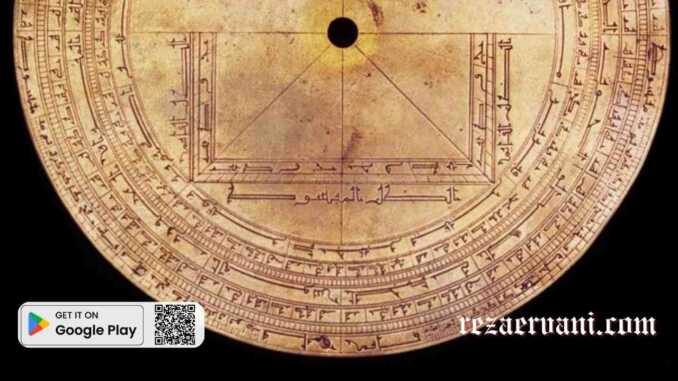
تاريخنا الهجري
Our Hijri History
Translated by: Reza Ervani bin Asmanu
This article, “Our Hijri History,” is included in the View of Islam Category
عندما يَذكُر المسلم التاريخ الهجري، ويَخُطُّه بيمينه، ويرتبط به معتزًّا؛ فإنما يدل ذلك على وعيه وإدراكه لما يعنيه هذا التاريخ في واقع الأمر، وما يمثله بالنسبة إليه، وأثره على الإنسانية جميعًا.
When a Muslim mentions the Hijri calendar, writes its dates with his own hand, and proudly identifies himself with it, this reflects his awareness and understanding of what this calendar truly means, what it represents to him, and the impact it has had upon humanity as a whole.
فليس هذا التاريخ أرقامًا تُكْتَب، أو حُروفًا تُسطر؛ وإنما هو المجد الذي بدأ حيث بَدَأ هذا التاريخ، والنور الذي سطع مع بزوغ فَجْرِهِ، والبناء الذي شيدت أُولى لبناته مع خطوات الهجرة المُباركة، حيث قام للإسلام دولةٌ، وللإيمان قوةٌ وسط بحر الجاهلية المُدْلَهِمّ.
This calendar is not merely a sequence of numbers written down or letters inscribed. Rather, it represents the glory that began with the beginning of this history, the light that shone with the breaking of its dawn, and the edifice whose first foundations were laid through the blessed steps of the Hijrah. It was then that a state arose for Islam and strength emerged for faith amid the dark sea of Jahiliyyah.
فمن هذه الهِجْرة المباركة بدأت خطوة أُمَّة الإسلام، وانطلقت مسيرتها إلى قيادة البشرية وهدايتها إلى الصراط المستقيم، والنور المبين بتحمُّلها الأمانة، بعد أن أفلست الأمم الأخرى، فكانت هذه الأُمَّة قائدةً لِلنَّاس، وشاهدةً عليْهِم، وكانتِ الهجرة إيذانًا بالتطبيق العملي لأحكام الإسلام على الواقع المشهود لِلنَّاس، في ظِلّ دولَتِه الرشيدة.
From this blessed Hijrah began the journey of the Muslim Ummah, and from it commenced its path toward leading humanity and guiding it to the straight path and the manifest light by carrying the trust, after other nations had failed. Thus, this Ummah became a leader for mankind and a witness over them. The Hijrah also marked the beginning of the practical implementation of Islamic rulings in the lived reality of society under its rightly guided state.
ومن هُنا تبدو عظمة عمر بن الخطاب – رضي الله عنه – وعُمْق نظره، عندما اختار هذا الحدث بداية للتاريخ الهجري دون بقية الأحداث الأخرى.
Here we can see the greatness of ‘Umar ibn al-Khattab — may Allah be pleased with him — and the depth of his insight when he chose this event, rather than other major events, as the starting point of the Hijri calendar.
والناظر اليوم إلى واقع كثيرٍ من البلاد الإسلامية، يجد الإهمالَ والتجافيَ، وغضَّ الطرف عن هذا التاريخ، وعدمَ الاعْتِداد به في معاملاتها، ومُراسلاتها، ولا تكاد تذكره، وإذا ذكرتْهُ كان في الذيل والمؤخرة، وعلى استحياء، مُقدِّمةً عليه غيْرَه من تواريخَ، لا شأن لأمة الإسلام بها، ولا ترتبط معها بذِكْرى، أو حادثة مهمة، أو تاريخ؛ وإنما هو رمز لأمم مخالفة لها اليوم الصدارةُ، والغلبةُ في الوَضْع العالمي فحسب.
Anyone who looks today at the reality of many Muslim countries will find neglect, estrangement, and a turning away from this calendar. It is often not given serious recognition in transactions or correspondence and is hardly mentioned at all. When it is mentioned, it is often placed at the end and treated almost apologetically, while other calendars are given precedence — calendars that have no particular connection with the Muslim Ummah, no shared historical memory, no significant event, and no meaningful history linking them to it. They are simply symbols belonging to other nations that presently hold prominence and dominance in the global order.
ولا تَخْفَى خُطورة هذا الاتجاه والهدف منه عند من يحاول تعميمه، وإشاعته بصفته وضعًا عالميًّا عامًّا لا مَفَرّ منه؛ لما له من أثر خطير في تَمْيِيع شخصية الأمَّة المسلمة، وتميزها، وطَمْس معالمها، وربطها بالأمم العالمية مسايرةً للواقع العالمي، الذي تبنَّى ما تبنَّى من أفكار، واختار ما اختار من رُموز ناشئة عن عقائدَ، ومثل، وقيم تُخَالِف رموز وقيم ومبادئ هذه الأمة.
The danger of this trend, and the purpose behind the efforts of those who seek to generalize and spread it as an unavoidable global norm, is not difficult to see. According to the author, it has a serious effect in diluting the identity and distinctiveness of the Muslim Ummah, erasing its defining features, and tying it to the nations of the world merely to conform to the global reality — a reality that has adopted particular ideas and selected particular symbols arising from beliefs, ideals, and values that differ from the symbols, values, and principles of this Ummah.
وحقًّا: إن هذا الاتجاه – وإن كان عامًّا شائعًا – لا يمثله إلا فئة قليلة، رضعت لبن الاستعْمار والاستشراق، وتربَّت في أحضانهما، فكانت ظِلَّهُما البغيض، وممثِّلَهما المقيم، ولسانهما النطق، فتَبَنَّتْ ما يقولان، ومن أهمه فصل الأمة الإسلامية عن ماضيها المجيد بشتى السبل والوسائل، وصَرْف نظرها إلى واقع تلك الأمم المسيطرة؛ لِتَأْخُذَ من فُتاتِها، وتعيش على موائدها.
Indeed, according to the author, although this trend has become widespread, it is represented only by a small group who were nurtured on the ideas of colonialism and Orientalism and raised within their influence. They became their unwelcome shadow, their constant representatives, and their speaking voice, adopting what they promoted. Among the most important of these ideas, in the author’s view, is separating the Muslim Ummah from its glorious past by every possible means and turning its attention toward the present condition of dominant nations, so that it takes only their remnants and lives dependent upon what they provide.
وإذا كانت الدول المصطَنعة المفروضة – كدولة يهود – مِمَّن لا تاريخ لها يُعْتَدُّ به، أو مجْدٌ يُعْتَزّ به، تتعلَّق بِخُيوط العنكبوت حتى تحيي تاريخًا غابرًا عفا عليه الزمن؛ لتُخْرِجَهُ من المتاحف التاريخية، وتتعامل معه، وتفرضه على الوَاقع، فكيف يصِحُّ لأُمة الإسلام ذاتِ التاريخ الذي يطاول السماء، ويمشي أثرُهُ في عروق البشرية هدًى ونورًا، وقد حَمَلَتْ أمانة الدعوة إلى الله، وهداية الإنسان إلى طريق الفلاح في الدنيا والآخرة، فكيف يَصِحُّ لأُمَّةٍ هذا بَعْضُ شأْنِها أن تتغاضَى عن ذلك، في سبيل أُمَمِيّة عالمية، وتبعية ذليلة؛ لتصبح عددًا من الأعداد، وذَنَبًا من الأذناب؟!
The author argues that if states he characterizes as artificial and imposed — such as what he calls the Jewish state — seek to revive an ancient past, however distant, and bring it out of the museums of history in order to apply it to present-day reality, then how could it be fitting for the Muslim Ummah, with a history described as reaching toward the heavens and whose influence has flowed through humanity as guidance and light, to disregard its own past? This is an Ummah that, in the author’s framing, carried the trust of calling people to Allah and guiding humanity toward success in this world and the Hereafter. How, then, could such an Ummah turn away from its history for the sake of global uniformity and humiliating dependence, until it becomes merely another number among numbers and a follower among followers?
وإذا كانت هذه الدولة – أعزَّها الله – قد انتبهت إلى هذا، فأصدرت أوامرها بضرورة الالتزام بِالتاريخ الهجريّ في كافَّة المُخاطبات الرسمية، فإنَّنا نأمُل في خطوة أخرى مكمِّلة، وهي إلزام الشركات والمؤسسات بما التزمت به الدولة، ومحاسبتها على تقصيرها ما دامت تعيش في بلد الهجرة، وترعى خيرات أرضها… حتى يبلُغَ ذلك الأمرُ أثرَهُ المحمودَ، ويصل غايته التي قُصد من أجلها.
And if this state — may Allah honor it — has recognized this matter and issued instructions requiring the use of the Hijri calendar in all official correspondence, then we hope for another complementary step: requiring companies and institutions to follow the same commitment adopted by the state and holding them accountable for any negligence, so long as they operate in the land of the Hijrah and benefit from the goodness of its land. In this way, the policy may achieve its praiseworthy effect and reach the purpose for which it was intended.
Source: Alukah
Leave a Reply