براعة الاستهلال في سورة البقرة؛ عرضٌ وتحليلٌ
The Artistry of the Opening of Surah al-Baqarah: A Study and Analysis (Part Fifteen)
By: Abd an-Nasir Salamah
Translated by: Reza Ervani bin Asmanu
This article, “The Artistry of the Opening of Surah al-Baqarah,” is included in the Tadabbur al Quran in English Category
ثواب الاهتداء بالقرآن:
The Reward for Those Who Are Guided Through the Qur’an:
ومن تمام الإحكام في هذه الآيات الخمس أيضًا أنها لم تغفل الإشارة إلى ذِكْر الثواب المترتب على الاهتداء بما جاء في القرآن والعمل به وفقَ ما تمَّ بيانه سلفًا؛ إِذْ مِن شأنِ التصريح بالمكافأة ترغيبُ النفس وتحفيزُها على الإقبال على ما يوصلُ إلى نيلها والظفر بها؛ وهذا ديدن القرآن فيما يشرِّعه من أحكامٍ وتكاليفَ أنْ يربطها بالجزاء عليها ترغيبًا فيها إن كانت مما يُطلب فعله، أو ترهيبًا عنها إن كانت مما يجب تركه، وقد جاء التصريح بالثواب هنا في قوله تعالى:
Another aspect of the perfect construction of these five opening verses is that they do not neglect to indicate the reward resulting from following the guidance brought by the Qur’an and acting upon it in the manner explained previously. Explicitly mentioning a reward naturally encourages and motivates the soul to pursue what leads to attaining it. This is the Qur’an’s consistent method in the rulings and obligations it legislates: it connects them with their consequences, encouraging people when the matter is something to be performed and warning them when it is something that must be avoided. Here, the reward is stated explicitly in the words of Allah Most High:
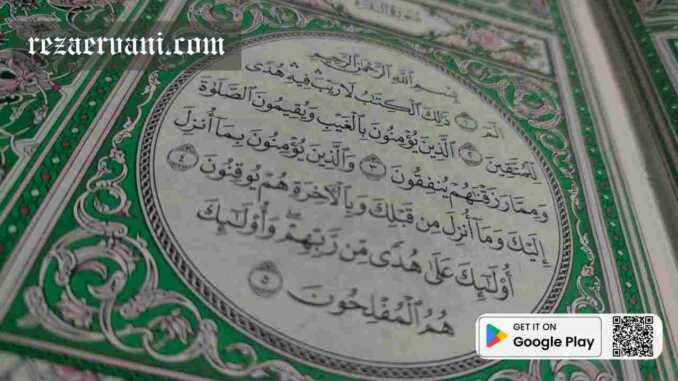
﴿أُولَئِكَ عَلَى هُدًى مِنْ رَبِّهِمْ وَأُولَئِكَ هُمُ الْمُفْلِحُونَ﴾ [البقرة: ٥]
“Those are upon guidance from their Lord, and those are the successful.” (Surah al-Baqarah: 5)
وقد تقدَّم بيان ما في هذه الآية من التعريض بأهل الكتاب في اعتقادهم أنهم مهتدون ومفلحون حتى قالوا:
It has already been explained that this verse also contains an implicit criticism of the People of the Book for their belief that they were rightly guided and would attain success, to the point that they said:
﴿لَنْ يَدْخُلَ الْجَنَّةَ إِلَّا مَنْ كَانَ هُودًا أَوْ نَصَارَى﴾ [البقرة: ١١١]،
“None will enter Paradise unless he is a Jew or a Christian.” (Surah al-Baqarah: 111)
فدلّت الآية بما تضمّنته من تخصيص المتقين بالهدى وبالفلاح على بطلان دعواهم تلك؛ فكانت الآيةُ بذلك براعةَ استهلالٍ للسورة نفسها إذ تناولت هذا الموضوع، وكذا للقرآن لتناوُل سورٍ أخرى منه ذلك.
By specifically identifying the people of taqwa as those who possess guidance and success, the verse therefore indicates the invalidity of that claim. In this respect, the verse constitutes bara’at al-istihlal for Surah al-Baqarah itself, since the surah later addresses this subject, and likewise for the Qur’an as a whole, since other surahs also deal with it.
ومن وجوه براعة الاستهلال في هذه الآية أيضًا مناسبتُها لكلّ ثوابٍ رُتِّب على التقوى في القرآن الكريم، على غرار قوله تعالى في سورة البقرة:
Another aspect of bara’at al-istihlal in this verse is its correspondence with every reward in the Noble Qur’an that is connected to taqwa, as in the words of Allah Most High in Surah al-Baqarah:
﴿وَبَشِّرِ الَّذِينَ آمَنُوا وَعَمِلُوا الصَّالِحَاتِ أَنَّ لَهُمْ جَنَّاتٍ تَجْرِي مِنْ تَحْتِهَا الْأَنْهَارُ كُلَّمَا رُزِقُوا مِنْهَا مِنْ ثَمَرَةٍ رِزْقًا قَالُوا هَذَا الَّذِي رُزِقْنَا مِنْ قَبْلُ وَأُتُوا بِهِ مُتَشَابِهًا وَلَهُمْ فِيهَا أَزْوَاجٌ مُطَهَّرَةٌ وَهُمْ فِيهَا خَالِدُونَ﴾ [البقرة: ٢٥]
“Give glad tidings to those who believe and do righteous deeds that for them are gardens beneath which rivers flow. Whenever they are provided with fruit from them as provision, they will say, ‘This is what we were provided with before,’ and they will be given something resembling it. And for them therein are purified spouses, and they will remain therein forever.” (Surah al-Baqarah: 25)
وقد كُنِّي عن التقوى في هذه الآية بالإيمان والعمل الصالح، وهي كنايةٌ متكررةٌ في القرآن مناسبةٌ لِما ورَد في مطلع السورة من وصف المتقين بأنهم :
In this verse, taqwa is expressed indirectly through faith and righteous deeds. This is a recurring Qur’anic expression and is fully consistent with the description of the people of taqwa at the beginning of the surah as:
﴿الَّذِينَ يُؤْمِنُونَ بِالْغَيْبِ وَيُقِيمُونَ الصَّلَاةَ وَمِمَّا رَزَقْنَاهُمْ يُنْفِقُونَ﴾ [البقرة: ٣]
“Those who believe in the unseen, establish prayer, and spend from what We have provided them.” (Surah al-Baqarah: 3)
ولا يخفى ما في القرآن من الآيات الكثيرة المبينة لثواب الإيمان والعمل الصالح، فتكون بذلك الآية من سورة البقرة براعة استهلالٍ للقرآن جميعه، بما في ذلك سورة البقرة.
The Qur’an contains many verses explaining the reward for faith and righteous deeds. Accordingly, this verse from Surah al-Baqarah constitutes bara’at al-istihlal for the Qur’an as a whole, including Surah al-Baqarah itself.
ومن الجدير بالذِّكْر أن هذا الثواب المذكور في الآية الخامسة من سورة البقرة قد اجتمع فيه من الأمور الدالة على تفخيمه وتعظيمه ما لا مزيد عليه؛ وذلك مناسبٌ لموقعه من السورة بحيث يكون براعة استهلالٍ لها ولغيرها، وقد بسط المفسِّرون الكلام في شرح تلك المعاني العظيمة، بَيْد أن عمدتهم في ذلك قول الزمخشريِّ ملخصًا إياها:
It is worth noting that the reward mentioned in the fifth verse of Surah al-Baqarah contains an unsurpassed collection of linguistic features indicating its magnificence and greatness. This is appropriate to its position within the surah, making it bara’at al-istihlal both for this surah and for others. Qur’anic commentators have discussed these profound meanings at length, but a central summary of them is found in the words of az-Zamakhshari:
«انظر كيف كرَّر الله -عز وجل- التنبيه على اختصاص المتقين بنيل ما لا يناله أحدٌ على طُرقٍ شتَّى، وهي: ذكر اسم الإشارة، وتكريره، وتعريف المفلحين، وتوسيط ضمير الفصل بينه وبين أولئك؛ ليُبصِّرك مراتبهم، ويُرغِّبك في طلب ما طلبوا، ويُنشِّطك لتقديم ما قدَّموا»
“Consider how Allah, Mighty and Majestic, repeatedly emphasizes in various ways that the people of taqwa are uniquely granted what no one else attains: by using the demonstrative pronoun, repeating it, making المفلحون (‘the successful’) definite, and placing the separating pronoun ضمير الفصل between it and أولئك. All of this is to show you their ranks, encourage you to seek what they sought, and energize you to put forward what they put forward.”1
To be continued in the next part, in sha Allah
For more comfortable reading, use the rezandroid app. Download the latest version from the Google Play Store: https://play.google.com/store/apps/details?id=com.rezaervani.rezandroid
Leave a Reply