براعة الاستهلال في سورة البقرة؛ عرضٌ وتحليلٌ
The Artistry of the Opening of Surah al-Baqarah: A Study and Analysis (Part Five)
By: Abd an-Nasir Salamah
Translated by: Reza Ervani bin Asmanu
This article, “The Artistry of the Opening of Surah al-Baqarah,” is included in the Tadabbur al Quran in English Category
كما أنّ التحدي بالإتيان بمثل القرآن قد تكرّر ذِكْره تصريحًا في مواضعَ عديدةٍ من القرآن، كما في قوله تعالى:
The challenge to produce something comparable to the Qur’an is also stated explicitly in many places throughout the Qur’an, as in the words of Allah Most High:
﴿أَمْ يَقُولُونَ افْتَرَاهُ قُلْ فَأْتُوا بِعَشْرِ سُوَرٍ مِثْلِهِ مُفْتَرَيَاتٍ وَادْعُوا مَنِ اسْتَطَعْتُمْ مِنْ دُونِ اللَّهِ إِنْ كُنْتُمْ صَادِقِينَ﴾ [هود: ١٣]،
“Or do they say, ‘He has fabricated it’? Say, ‘Then produce ten surahs like it, fabricated, and call upon whomever you can besides Allah, if you are truthful.’” (Surah Hud: 13)
وقوله تعالى:
And His saying:
﴿قُلْ لَئِنِ اجْتَمَعَتِ الْإِنْسُ وَالْجِنُّ عَلَى أَنْ يَأْتُوا بِمِثْلِ هَذَا الْقُرْآنِ لَا يَأْتُونَ بِمِثْلِهِ وَلَوْ كَانَ بَعْضُهُمْ لِبَعْضٍ ظَهِيرًا﴾ [الإسراء: ٨٨]،
“Say, ‘If mankind and the jinn were to gather together to produce the like of this Qur’an, they could not produce anything like it, even if they supported one another.’” (Surah al-Isra’: 88)
كما تكرّر تلميحًا في صورة حروف التهجي التي استُهلّت بها سورٌ عديدةٌ من القرآن الكريم، لا سيما في المكيِّ منه، فيكون افتتاحُ البقرة بهذه الحروف الدالة على التحدي والإعجاز براعةَ استهلالٍ بالنسبة لجميع القرآن أيضًا.
The same challenge is also repeatedly implied through the disconnected letters with which many surahs of the Noble Qur’an begin, particularly the Makkan surahs. Thus, the opening of Surah al-Baqarah with these letters, which indicate challenge and inimitability, also constitutes bara’at al-istihlal in relation to the Qur’an as a whole.
بل نزيد هنا قولًا: وهو أن الإحكام في القرآن الذي يفيده نفيُ الرِّيبة والشّك عنه في قوله تعالى بعد ذلك:
We may add here that the perfection and precision of the Qur’an, indicated by the negation of all doubt and uncertainty in the words of Allah Most High:
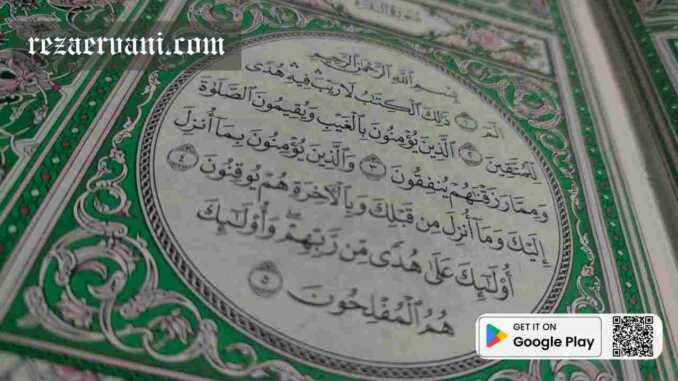
﴿ذَلِكَ الْكِتَابُ لَا رَيْبَ فِيهِ﴾ [البقرة: ٢]،
“That is the Book in which there is no doubt.” (Surah al-Baqarah: 2)
فيه إيماءٌ أيضًا للنظر في علومٍ أخرى مشتملٍ عليها القرآنُ دالّةٍ على إعجازه من غير لغته وأسلوبه؛ كجانب تشريعه، وأخباره، وإشاراته الكونية؛ إِذْ لا يجد المتدبِّر أيَّ تضاربٍ يبعث على الريبة بين القرآن وبين هذه العلوم الموجودة فيه، بل يجد خلاف ذلك ما يزيده يقينًا أنه من عند الله تعالى، مصداقًا لقوله تعالى :
also contains an indication that one should consider other fields and dimensions contained within the Qur’an that demonstrate its miraculous nature beyond its language and style, such as its legislation, its accounts and reports, and its references to the created world. According to the author, one who reflects deeply upon the Qur’an will find no contradiction within these aspects that gives rise to doubt. Rather, one finds what increases certainty that it is from Allah Most High, in accordance with His saying:
﴿أَفَلَا يَتَدَبَّرُونَ الْقُرْآنَ وَلَوْ كَانَ مِنْ عِنْدِ غَيْرِ اللَّهِ لَوَجَدُوا فِيهِ اخْتِلَافًا كَثِيرًا﴾ [النساء: ٨٢]،
“Do they not then reflect upon the Qur’an? Had it been from anyone other than Allah, they would surely have found in it many contradictions.” (Surah an-Nisa’: 82)
فتكونُ هذه الجملةُ من القرآن -مع وجازتها- جامعةً لكلّ ما تفصَّل فيه من الدلائل على أنه من عند الله تعالى، وهذا من براعة الاستهلال في السورة.
Thus, despite its brevity, this Qur’anic statement comprehensively points to all the detailed evidences indicating that the Qur’an is from Allah Most High. This is another aspect of bara’at al-istihlal in the surah.
التنويه بالقرآن:
Exalting the Status of the Qur’an:
لا شك أنّ ثبوت إعجاز القرآن الكريم وربانيته يقتضي رفعةَ شأنه وعلوَّ قدره؛ ولأجل ذلك جاءت الإشارةُ تاليةً في هذا الموضع بما يدلّ على هذا المعنى وهو قوله تعالى:
There is no doubt that once the miraculous nature and divine origin of the Noble Qur’an are established, this necessarily entails recognition of its lofty status and exalted rank. For this reason, the next expression points to this meaning in the words of Allah Most High:
﴿ذَلِكَ الْكِتَابُ﴾ [البقرة: ٢]،
“That is the Book.” (Surah al-Baqarah: 2)
وفي هذا يقول ابن عاشور: «فلا جَرَم أن كانت الإشارة في الآية باستعمال اسم الإشارة للبعيد لإظهار رفعة شأن هذا القرآن لجعله بعيد المنزلة. وقد شاع في الكلام البليغ تمثيلُ الأمر الشريف بالشيء المرفوع في عِزَّة المنال؛ لأن الشيء النفيس عزيزٌ على أهله، فمن العادة أن يجعلوه في المرتفعات صونًا له عن الدُّروس وتناول كثرة الأيدي والابتذال، فالكتاب هنا لمّا ذُكر في مقام التحدي بمعارضته بما دلَّت عليه حروف التهجي في:
Regarding this, Ibn ‘Ashur said: “It is therefore fitting that the verse uses a demonstrative pronoun for something distant in order to express the elevated status of this Qur’an, as though it were placed at a lofty and distant rank. In eloquent speech, something noble is often represented as something elevated and difficult to reach, because what is precious is highly valued by its owners and is customarily placed in elevated locations to protect it from deterioration, excessive handling, and degradation. Thus, when the Book is mentioned here in the context of the challenge to produce something comparable to it, as indicated by the disconnected letters in:
﴿الـم﴾ [البقرة: ١]
Alif Lam Mim (Surah al-Baqarah: 1),
كان كالشيء العزيز المنال بالنسبة إلى تناولهم إياه بالمعارضة، أو لأنه لصدق معانيه ونَفعِ إرشاده بعيدٌ عمّن يتناوله بهُجْر القول كقولهم :
it is like something beyond their reach when they attempt to oppose it or produce something comparable to it. Alternatively, because of the truthfulness of its meanings and the benefit of its guidance, it stands far above those who seek to attack it with false and meaningless statements, such as their saying:
﴿افْتَرَاهُ﴾ [يونس: ٣٨]،
“He fabricated it.” (Surah Yunus: 38)
وقولهم : ﴿أَسَاطِيرُ الْأَوَّلِينَ﴾ [الأنعام: ٢٥]
or their saying: “Legends of the former peoples.” (Surah al-An’am: 25)”1
كما أنّ من مقتضيات كون هذا القرآن معجزًا أن يكون كاملًا فيما يشتمل عليه من الأوصاف والهدايات؛ فكأنّ ما عداه من الكتب بالنسبة إليه ناقصٌ، وقد دلّ على هذا المعنى كذلك قوله تعالى:
Another implication of the Qur’an’s miraculous nature is that it is complete and perfect in the qualities and forms of guidance it contains. By comparison, other books appear deficient in relation to it. This meaning is also indicated by the words of Allah Most High:
﴿ذَلِكَ الْكِتَابُ﴾ [البقرة: ٢]،
“That is the Book.” (Surah al-Baqarah: 2)
يقول العلَّامة ابن عاشور مبينًا هذا المعنى أيضًا: «ويجوز أن يكون ﴿الْكِتَابُ﴾ خبرًا عن اسم الإشارة، ويكون التعريفُ تعريفَ الجنس فتفيد الجملة قصرَ حقيقة الكتاب على القرآن بسبب تعريف الجزأين،
The scholar Ibn ‘Ashur further explains this meaning, saying: “It is also possible that ﴿الْكِتَابُ﴾ is the predicate of the demonstrative pronoun, and that the definite article is used generically. In that case, the sentence conveys a restriction of the true and complete meaning of ‘the Book’ to the Qur’an because both parts of the sentence are definite.
ومعناه: ذلك هو الكتاب الجامع لصفات الكمال في جنس الكتب، بناءً على أن غيره من الكتب إذا نُسبت إليه كانت كالمفقود منها وصفُ الكتاب لعدم استكمالها جميع كمالات الكتب، وهذا التعريف قد يُعبِّر عنه النحاة في تعداد معاني لام التعريف بمعنى الدلالة على الكمال»[19]؛ وذلك كقولهم: زيدٌ الرَّجل؛ يقصدون بذلك: الكامل في الأوصاف
Its meaning is: that is the Book which combines all the qualities of perfection found in the category of books. Other books, when compared with it, are as though they lack the full quality of being ‘the Book,’ because they do not possess all the perfections that a book may contain. Grammarians sometimes describe this use of the definite article as indicating perfection.”2 This is similar to the Arabic expression, “Zayd is the man,” by which they mean: the man who possesses perfect qualities.3
To be continued in the next part, in sha Allah
For more comfortable reading, use the rezandroid app. Download the latest version from the Google Play Store: https://play.google.com/store/apps/details?id=com.rezaervani.rezandroid
Leave a Reply