براعة الاستهلال في سورة البقرة؛ عرضٌ وتحليلٌ
The Artistry of the Opening of Surah al-Baqarah: A Study and Analysis (Part Four)
By: Abd an-Nasir Salamah
Translated by: Reza Ervani bin Asmanu
This article, “The Artistry of the Opening of Surah al-Baqarah,” is included in the Tadabbur al Quran in English Category
براعة الاستهلال في سورة البقرة:
The Artistry of the Opening of Surah al-Baqarah:
وأمّا مقصودنا من براعة الاستهلال في سورة البقرة فهو اشتمال مطلعها في الآيات الخمس الأولى على إشاراتٍ لطيفةٍ لِما تحتويه السورة من موضوعاتٍ عقديةٍ وتشريعيةٍ وغيرها،
What we mean by bara’at al-istihlal in Surah al-Baqarah is that its opening — specifically its first five verses — contains subtle indications of the theological, legislative, and other themes addressed throughout the surah.
ثم على ما يحتويه القرآن بعد ذلك من تلك الموضوعات. وبناءً على هذا التقسيم سيكون منهجُ هذه المقالة في معالجة هذا الموضوع، وذلك ببيان تحقق براعة الاستهلال بالنسبة للسورة نفسها، ثم بالنسبة لجميع القرآن، مراعيًا في ذلك ترتيب الآيات الخمس.
These opening verses also contain implicit indications of the same major themes found throughout the Qur’an as a whole. Based on this division, the method followed in this article will first demonstrate how bara’at al-istihlal is realized in relation to Surah al-Baqarah itself, and then in relation to the entire Qur’an, while observing the sequence of these five opening verses.
إعجاز القرآن:
The Miraculous Nature of the Qur’an:
إنّ أولَ ما افتتحت به السورة الكريمة الإشارةُ إلى ما يدل على إعجاز القرآن في لغته وبلاغته؛ إذ ذلك أهم أوجه إعجازه، وهو ما حَواه قوله تعالى:
The first feature with which this noble surah opens is an indication of the miraculous nature of the Qur’an in its language and eloquence, which constitutes one of the most important aspects of its inimitability. This is contained in the words of Allah Most High:
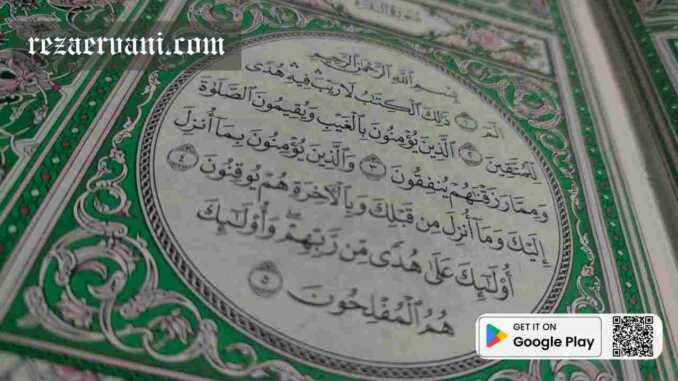
﴿الـم﴾ [البقرة: ١]
“Alif Lam Mim.” (Surah al-Baqarah: 1)
إذ القصد من ذكر هذه الحروف الهجائية في صدر السورة لفت أنظار المخاطَبِين إلى هذه الحقيقة التي لا غبار عليها ولا محيص عنها، وهي ربانية القرآن؛ وذلك من خلال التنبيه على كونه مؤلَّفًا من حروفٍ هي عينُ ما كان يتخاطب به المنكِرون له وقت نزوله، وهي عينُ ما كانوا يؤلِّفون منه أشعارهم التي كانوا يتفاخرون بها في أسواقهم ونواديهم؛
The purpose of mentioning these alphabetic letters at the beginning of the surah is to draw the attention of its audience to a clear and unavoidable truth: the divine origin of the Qur’an. This is done by pointing out that the Qur’an is composed of the very same letters used by those who denied it at the time of its revelation — the same letters from which they composed the poetry they proudly recited in their marketplaces and gatherings.
فيكون عجزهم عن الإتيان بمثله مع كونه بلسانهم بيانًا كافيًا وحُجَّةً قاطعةً على أنه من عند الله تعالى،
Their inability to produce anything comparable to it, despite the fact that it came in their own language, therefore constitutes sufficient evidence and a decisive proof that it is from Allah Most High.
وفي هذا يقول العلَّامة ابن كثير: «إنما ذُكرت هذه الحروف في أوائل السور التي ذُكرت فيها بيانًا لإعجاز القرآن وأنّ الخَلْق عاجزون عن معارضته بمثله، هذا مع أنه مركَّبٌ من هذه الحروف المقطَّعة التي يتخاطبون بها، وقد حكى هذا المذهبَ الرازيُّ في تفسيره عن المبرِّد وجمعٍ من المحقِّقين، وحكى القرطبيُّ عن الفرَّاء وقُطرب نحو هذا، وقرَّره الزمخشريُّ في كشَّافه ونصَره أتمَّ نصرٍ،
In this regard, the scholar Ibn Kathir said: “These letters were mentioned at the beginnings of the surahs in which they occur in order to demonstrate the miraculous nature of the Qur’an and that creation is incapable of producing anything comparable to it, even though it is composed of these very disconnected letters through which they themselves communicate. Ar-Razi related this view in his tafsir from al-Mubarrid and a group of authoritative scholars. Al-Qurtubi reported something similar from al-Farra’ and Qutrub, while az-Zamakhshari established this view in his al-Kashshaf and strongly defended it.”
وإليه ذهب الشيخ الإمام العلَّامة أبو العباس ابن تيمية، وشيخنا الحافظ المجتهد أبو العجاج المزيُّ وحكاه لي عن ابن تيمية
This view was also held by Shaykh al-Islam, the eminent scholar Abu al-‘Abbas Ibn Taymiyyah, as well as by our teacher, the hadith master and mujtahid Abu al-Hajjaj al-Mizzi, who transmitted it to me from Ibn Taymiyyah.1
ثم قال -رحمه الله-: ولهذا كلُّ سورةٍ افتُتحت بالحروف فلا بد أن يذكر فيها الانتصار للقرآن وبيان إعجازه وعظمته… ولهذا يقول تعالى:
He then said, may Allah have mercy on him: “For this reason, every surah that opens with these letters necessarily contains a vindication of the Qur’an and a declaration of its miraculous nature and greatness… Thus Allah Most High says:
﴿الم * ذَلِكَ الْكِتَابُ لَا رَيْبَ فِيهِ﴾ [البقرة: ١ – ٢]، ﴿المص * كِتَابٌ أُنْزِلَ إِلَيْكَ فَلَا يَكُنْ فِي صَدْرِكَ حَرَجٌ مِنْهُ﴾ [الأعراف: 1- 2]، ﴿الر كِتَابٌ أَنْزَلْنَاهُ إِلَيْكَ لِتُخْرِجَ النَّاسَ مِنَ الظُّلُمَاتِ إِلَى النُّورِ بِإِذْنِ رَبِّهِمْ﴾ [إبراهيم: ١]، ﴿حم * تَنْزِيلٌ مِنَ الرَّحْمَنِ الرَّحِيمِ﴾ [فصلت: ١ – ٢]، وغير ذلك من الآيات الدالّة على صحة ما ذهب إليه هؤلاء لمن أمعن النظر
‘Alif Lam Mim. This is the Book in which there is no doubt’ (Surah al-Baqarah: 1–2); ‘Alif Lam Mim Sad. A Book has been revealed to you, so let there be no discomfort in your heart concerning it’ (Surah al-A’raf: 1–2); ‘Alif Lam Ra. A Book We have revealed to you so that you may bring mankind out of darkness into light by the permission of their Lord’ (Surah Ibrahim: 1); ‘Ha Mim. A revelation from the Most Compassionate, the Most Merciful’ (Surah Fussilat: 1–2); and other verses that demonstrate the soundness of this interpretation to anyone who reflects carefully.”1
فهذه الحروفُ المفتتحُ بها السورة هي تحَدٍّ على وجه التلميح جاء سابقًا لما يأتي بعد ذلك مِن تحَدٍّ صريحٍ في قوله تعالى:
These letters with which the surah opens therefore constitute an implicit challenge, preceding the explicit challenge that comes later in the words of Allah Most High:
﴿وَإِنْ كُنْتُمْ فِي رَيْبٍ مِمَّا نَزَّلْنَا عَلَى عَبْدِنَا فَأْتُوا بِسُورَةٍ مِنْ مِثْلِهِ﴾ [البقرة: ٢٣]،
“And if you are in doubt concerning what We have revealed to Our servant, then produce a surah like it.” (Surah al-Baqarah: 23)
مع ما يُشْعِر به هذا التحدّي بهذه الحروف من تهكُّمٍ بهؤلاء المنكرين لربانية القرآن المعاندين للحقّ. وفي هذا التناسب بين التلميح إلى التحدّي في مفتتح السورة والتصريح به بعد ذلك من براعة الاستهلال ما لا يخفى.
This challenge through the letters also carries, according to the author, an element of irony directed at those who deny the divine origin of the Qur’an and stubbornly resist the truth. The harmony between this implicit challenge at the beginning of the surah and the explicit challenge that appears later is a clear example of bara’at al-istihlal.
وقد ذكر هذا التناسب بين الموضعين ابن عاشور في مقدّمة تفسيره لسورة البقرة؛ إِذْ قال: «ويحضر لنا من أغراضها أنها ابتُدِئَت بالرمز إلى تحدي العرب المعاندين تحديًا إجماليًّا بحروف التهجّي المفتتح بها رمزًا يقتضي استشرافهم لما يَرِدُ بعده وانتظارهم لبيان مقصده، فأُعقب بالتنويه بشأن القرآن فتحوَّل الرمز إيماءً إلى بعض المقصود من ذلك الرمز له أشد وقعٍ على نفوسهم فتبقى في انتظار ما يتعقبه من صريح التعجيز الذي سيأتي بعد قوله:
Ibn ‘Ashur also mentioned this correspondence between the two passages in the introduction to his commentary on Surah al-Baqarah. He said: “Among the purposes of the surah that become apparent to us is that it begins by symbolically challenging the obstinate Arabs in a general way through the disconnected letters at its opening. This symbolic form naturally arouses their anticipation for what will follow and makes them await an explanation of its purpose. It is then followed by an exaltation of the Qur’an, so that the symbol becomes an indication of part of what was intended by it, producing an even stronger impact upon their hearts. They thus remain in anticipation of the explicit declaration of their inability that will come after His saying:
﴿وَإِنْ كُنْتُمْ فِي رَيْبٍ مِمَّا نَزَّلْنَا عَلَى عَبْدِنَا فَأْتُوا بِسُورَةٍ مِنْ مِثْلِهِ﴾ [البقرة: ٢٣]
‘And if you are in doubt concerning what We have revealed to Our servant, then produce a surah like it.’ (Surah al-Baqarah: 23)”2
To be continued in the next part, in sha Allah
For more comfortable reading, use the rezandroid app. Download the latest version from the Google Play Store: https://play.google.com/store/apps/details?id=com.rezaervani.rezandroid
Leave a Reply