براعة الاستهلال في سورة البقرة؛ عرضٌ وتحليلٌ
The Artistry of the Opening of Surah al-Baqarah: A Study and Analysis (Part Fourteen)
By: Abd an-Nasir Salamah
Translated by: Reza Ervani bin Asmanu
This article, “The Artistry of the Opening of Surah al-Baqarah,” is included in the Tadabbur al Quran in English Category
الإيمان بالآخرة والبعث:
Faith in the Hereafter and the Resurrection:
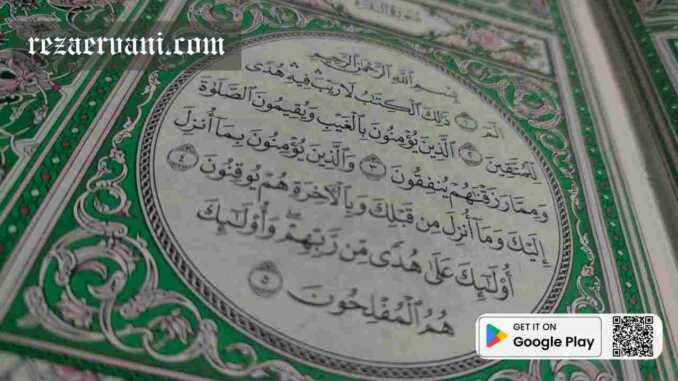
تقدَّم آنفًا بيان معالم الاهتداء بالقرآن، وقد رُتِّبت هذه المعالم في الذِّكْر بحسب الأولويَّة، فابتدأ اللهُ بذِكْر وصف الإيمان؛ لأنه لا يصحّ عملٌ بلا إيمانٍ كائنًا ما كان، ثم خصَّ الله تعالى من هذا الوصف الإيمانَ بالآخرة؛ إِذْ كانت الآخرةُ أهمَّ قضية غيبيّة أنكرها الكفارُ من أمرِ الرسالة، وكانت أكثر القضايا الغيبية صِلَةً باستقامة السلوك أو انحرافه؛ قال تعالى: ﴿وَبِالْآخِرَةِ هُمْ يُوقِنُونَ﴾ [البقرة: ٤]، وفي هذا التخصيص إيماءٌ إلى أنّ موضوع الآخرة سيكون أبرز القضايا الإيمانية التي سيعالجها القرآن.
The major features of guidance through the Qur’an have already been explained, and their order of mention follows their priority. Allah begins by mentioning faith, because no deed of any kind is sound without faith. He then singles out, from within this description, faith in the Hereafter, since the Hereafter was among the most important unseen realities denied by the disbelievers in relation to the prophetic message, and among the unseen matters most closely connected to whether human conduct remains upright or becomes deviant. Allah Most High says: “And concerning the Hereafter, they have certainty.” (Surah al-Baqarah: 4) This particular emphasis indicates that the Hereafter will be one of the most prominent matters of faith addressed by the Qur’an.
وقد تناولتْ سورةُ البقرة موضوعَ البعث -باعتباره أهم موضوعات الآخرة- في مناسباتٍ عديدةٍ، وذلك من جهة إقامة الدلائل والبراهين على وقوعه، على غرار قوله تعالى:
Surah al-Baqarah addresses the subject of resurrection — as one of the most important matters concerning the Hereafter — on numerous occasions, especially by presenting evidences and proofs for its occurrence. An example is the saying of Allah Most High:
﴿إِنَّ فِي خَلْقِ السَّمَاوَاتِ وَالْأَرْضِ وَاخْتِلَافِ اللَّيْلِ وَالنَّهَارِ وَالْفُلْكِ الَّتِي تَجْرِي فِي الْبَحْرِ بِمَا يَنْفَعُ النَّاسَ وَمَا أَنْزَلَ اللَّهُ مِنَ السَّمَاءِ مِنْ مَاءٍ فَأَحْيَا بِهِ الْأَرْضَ بَعْدَ مَوْتِهَا وَبَثَّ فِيهَا مِنْ كُلِّ دَابَّةٍ وَتَصْرِيفِ الرِّيَاحِ وَالسَّحَابِ الْمُسَخَّرِ بَيْنَ السَّمَاءِ وَالْأَرْضِ لَآيَاتٍ لِقَوْمٍ يَعْقِلُونَ﴾ [البقرة: ١٦٤]
“Indeed, in the creation of the heavens and the earth, the alternation of night and day, the ships that sail through the sea carrying what benefits people, the water Allah sends down from the sky by which He revives the earth after its death, the creatures of every kind He has spread throughout it, the changing of the winds, and the clouds subjected between the sky and the earth — there are surely signs for people who reason.” (Surah al-Baqarah: 164)
فهذه الآية الكريمة، وإن سِيقت أساسًا لإثبات وحدانية الله تعالى، فإنها تضمّنت إشارةً إلى قدرة الله على البعث وإحياء الموتى من خلال التنبيه على إحياء الأرض بعد موتها: ﴿وَمَا أَنْزَلَ اللَّهُ مِنَ السَّمَاءِ مِنْ مَاءٍ فَأَحْيَا بِهِ الْأَرْضَ بَعْدَ مَوْتِهَا﴾؛ إذ تماثل صورة خروج النبات من الأرض صورة خروج الإنسان من القبر يوم البعث، كما قال تعالى:
Although this noble verse is primarily presented as evidence for the oneness of Allah Most High, it also contains an indication of Allah’s power to resurrect and bring the dead back to life, through the reference to reviving the earth after its death: “And the water Allah sends down from the sky by which He revives the earth after its death.” The image of vegetation emerging from the earth resembles the emergence of human beings from their graves on the Day of Resurrection, as Allah Most High says:
﴿وَيُحْيِ الْأَرْضَ بَعْدَ مَوْتِهَا وَكَذَلِكَ تُخْرَجُونَ﴾ [الروم: ١٩]،
“And He revives the earth after its death, and in the same way you will be brought forth.” (Surah ar-Rum: 19)
وقوله تعالى: ﴿وَأَحْيَيْنَا بِهِ بَلْدَةً مَيْتًا كَذَلِكَ الْخُرُوجُ﴾ [ق: ١١].
And His saying: “And by it We revived a dead land. Such will be the emergence.” (Surah Qaf: 11)
ومما يدلّ على مركزية قضية البعث في سورة البقرة اشتمال قصة البقرة التي تُنسب إليها السورة نفسُها على دليل البعث، وذلك من خلال واقعة إحياء الله قتيل بني إسرائيل بضربه ببعض أعضاء البقرة التي أُمِروا على لسان نبيّهم موسى -عليه السلام- بذبحها، كما قال تعالى:
One indication of the central importance of resurrection in Surah al-Baqarah is that the story of the cow — from which the surah itself takes its name — also contains evidence for resurrection. This appears in the event in which Allah restored to life the murdered man from among the Children of Israel after he was struck with part of the cow that they had been commanded, through their Prophet Musa, peace be upon him, to slaughter. Allah Most High says:
﴿وَإِذْ قَتَلْتُمْ نَفْسًا فَادَّارَأْتُمْ فِيهَا وَاللَّهُ مُخْرِجٌ مَا كُنْتُمْ تَكْتُمُونَ * فَقُلْنَا اضْرِبُوهُ بِبَعْضِهَا كَذَلِكَ يُحْيِ اللَّهُ الْمَوْتَى وَيُرِيكُمْ آيَاتِهِ لَعَلَّكُمْ تَعْقِلُونَ﴾ [البقرة: ٧٢-٧٣]
“And when you killed a man and disputed among yourselves concerning it, while Allah was to bring out what you were concealing. So We said, ‘Strike him with part of it.’ Thus does Allah bring the dead to life, and He shows you His signs so that you may understand.” (Surah al-Baqarah: 72–73)
فقد أشار الله في هذه الآية إلى أنّ إحياء قتيل بني إسرائيلَ دليلٌ على بعث الناس بعد الموت؛ لأن مَن أحيا نفسًا واحدةً بعد موتها قادرٌ على إحياء جميع النفوس.
In this verse, Allah indicates that the restoration to life of the murdered man from among the Children of Israel is evidence for the resurrection of mankind after death. For the One who is able to restore one soul to life after its death is certainly able to restore all souls to life.
وقد حدَّد ابن كثيرٍ أثناء تفسير هذه القصة مواطنَ تطرُّقِ السورة لدلائل البعث، فقال -رحمه الله-: «والله تعالى قد ذكر في هذه السورة ما خلقه من إحياء الموتى، في خمسة مواضع: ﴿ثُمَّ بَعَثْنَاكُمْ مِنْ بَعْدِ مَوْتِكُمْ﴾ [البقرة: ٥٦]، وهذه القصة، وقصة الذين خرجوا من ديارهم وهم أُلوفٌ حذر الموت، وقصة الذي مرَّ على قريةٍ وهي خاويةٌ على عروشها، وقصة إبراهيم والطيور الأربعة. ونبَّه تعالى بإحياء الأرض بعد موتها على إعادة الأجسام بعد صيرورتها رميمًا»
While commenting on this story, Ibn Kathir, may Allah have mercy on him, identified the places in which Surah al-Baqarah presents evidence for resurrection. He said: “Allah Most High has mentioned in this surah His bringing the dead to life in five places: ‘Then We raised you up after your death’ (Surah al-Baqarah: 56); this story; the story of those who left their homes in their thousands for fear of death; the story of the man who passed by a town that had fallen into ruin; and the story of Ibrahim and the four birds. Allah Most High also draws attention, through reviving the earth after its death, to the restoration of bodies after they have become decayed remains.”1
يشير -رحمه الله- بذلك إلى الدليل الذي تحدّثنا عنه آنفًا في قوله تعالى:
By this, may Allah have mercy on him, he is referring to the evidence discussed above in the words of Allah Most High:
﴿وَمَا أَنْزَلَ اللَّهُ مِنَ السَّمَاءِ مِنْ مَاءٍ فَأَحْيَا بِهِ الْأَرْضَ بَعْدَ مَوْتِهَا﴾ [البقرة: ١٦٤]
“And the water Allah sends down from the sky by which He revives the earth after its death.” (Surah al-Baqarah: 164)
وتناوُلُ سورةِ البقرة لموضوع البعث بهذه الإفاضة المذكورة دليلٌ على أن الإشارة إلى الآخرة في بداية السورة هي براعة استهلالٍ. وهو كذلك بالنسبة للقرآن كلّه؛ إِذْ لا تكاد تخلو سورةٌ من الحديث عن أحوال الآخرة ودلائل البعث لا سيما في المكيِّ منه، بل هناك سورٌ مكيَّة عديدةٌ من المفصَّل اختصَّت بالحديث عن هذا الموضوع؛ كسورة الواقعة والمرسلات وعمّ يتساءلون والزلزلة والقارعة وغيرها.
Surah al-Baqarah’s extensive treatment of the subject of resurrection demonstrates that the reference to the Hereafter at the beginning of the surah constitutes bara’at al-istihlal. The same applies in relation to the Qur’an as a whole, for scarcely any surah is devoid of discussion of the conditions of the Hereafter and the evidences for resurrection, especially in the Makkan Qur’an. Indeed, a number of Makkan surahs from the al-Mufassal section are particularly devoted to this subject, such as Surah al-Waqi’ah, al-Mursalat, ‘Amma Yatasa’alun (an-Naba’), az-Zalzalah, al-Qari’ah, and others.
To be continued in the next part, in sha Allah
For more comfortable reading, use the rezandroid app. Download the latest version from the Google Play Store: https://play.google.com/store/apps/details?id=com.rezaervani.rezandroid
Leave a Reply