براعة الاستهلال في سورة البقرة؛ عرضٌ وتحليلٌ
The Artistry of the Opening of Surah al-Baqarah: A Study and Analysis (Part Nine)
By: Abd an-Nasir Salamah
Translated by: Reza Ervani bin Asmanu
This article, “The Artistry of the Opening of Surah al-Baqarah,” is included in the Tadabbur al Quran in English Category
تشريع الفرائض والأحكام:
Legislation of Obligations and Rulings:
لئن كان لفظ الكتاب في قوله تعالى:
If the word al-Kitab in the words of Allah Most High:
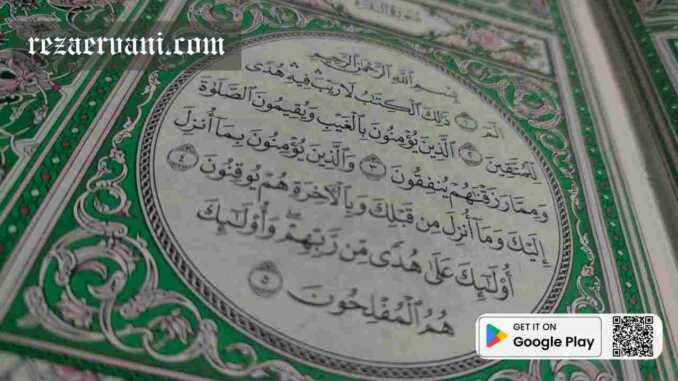
﴿ذَلِكَ الْكِتَابُ لَا رَيْبَ فِيهِ﴾ [البقرة: ٢]
“That is the Book in which there is no doubt.” (Surah al-Baqarah: 2)
قد أفاد إشارةً لطيفةً إلى موضوع تحريف التوراة والإنجيل بما تضمّنه من وصف الكمال للقرآن وحصانته عن التلاعب والابتذال الذي لحق الكتابَيْن الآخرَيْن على ما تبيّن آنفًا، فإن هذا اللفظ أيضًا قد أفاد إشارةً ألطفَ إلى موضوعٍ آخرَ من موضوعات القرآن وهو تشريع الفرائض والأحكام، وذلك بما دلّ عليه لفظ الكتاب من الفرض والحكم؛ إِذْ يُقال: كَتَب اللهُ كذا؛ أي: فَرَضَه وأوْجَبَه، ويقال أيضًا: لأقضِينَّ بكتاب الله، أي: بحُكمِه
has already provided a subtle indication of the subject of the alteration of the Torah and the Gospel, through its description of the perfection of the Qur’an and its protection from the manipulation and degradation that, as explained above, affected the other two scriptures, then this same word also provides an even subtler indication of another major Qur’anic theme: the legislation of obligations and rulings. This is because the word kitab can also carry the meaning of obligation and judgment. Thus, it is said, “Allah has written such-and-such,” meaning that He has prescribed and made it obligatory. Likewise, one may say, “I shall judge according to the Book of Allah,” meaning according to His ruling.1
وقد تناولتْ سورة البقرة كثيرًا من التشريعات في العبادات والمعاملات وبيَّنت أحكامها، وقد استُعمل في بيان وجوب كثيرٍ منها لفظ (كُتِب) كما في قوله تعالى في شأن القصاص:
Surah al-Baqarah contains numerous legislative rulings concerning acts of worship and transactions, and explains their regulations. In many instances, the word kutiba — “it has been prescribed” — is used to express obligation, as in the words of Allah Most High concerning legal retaliation (qisas):
﴿يَا أَيُّهَا الَّذِينَ آمَنُوا كُتِبَ عَلَيْكُمُ الْقِصَاصُ فِي الْقَتْلَى﴾ [البقرة: ١٧٨]،
“O you who believe, legal retaliation has been prescribed for you concerning those who are killed.” (Surah al-Baqarah: 178)
وكما في قوله تعالى في شأن الوصية:
Likewise, in His saying concerning bequests:
﴿كُتِبَ عَلَيْكُمْ إِذَا حَضَرَ أَحَدَكُمُ الْمَوْتُ إِنْ تَرَكَ خَيْرًا الْوَصِيَّةُ لِلْوَالِدَيْنِ وَالْأَقْرَبِينَ بِالْمَعْرُوفِ حَقًّا عَلَى الْمُتَّقِينَ﴾ [البقرة: ١٨٠]،
“It has been prescribed for you, when death approaches one of you and he leaves wealth, that a bequest be made for parents and close relatives according to what is fair — a duty upon the people of taqwa.” (Surah al-Baqarah: 180)
وقوله تعالى في الصيام:
And His saying concerning fasting:
﴿يَا أَيُّهَا الَّذِينَ آمَنُوا كُتِبَ عَلَيْكُمُ الصِّيَامُ كَمَا كُتِبَ عَلَى الَّذِينَ مِنْ قَبْلِكُمْ لَعَلَّكُمْ تَتَّقُونَ﴾ [البقرة: ١٨٣]،
“O you who believe, fasting has been prescribed for you just as it was prescribed for those before you, so that you may attain taqwa.” (Surah al-Baqarah: 183)
وقوله تعالى في أمر القتال:
And His saying concerning fighting:
﴿كُتِبَ عَلَيْكُمُ الْقِتَالُ وَهُوَ كُرْهٌ لَكُمْ﴾ [البقرة: ٢١٦]،
“Fighting has been prescribed for you, though it is disliked by you.” (Surah al-Baqarah: 216)
وفي إيثار هذا الاستعمال بهذا التعدّد في السورة ترجيحُ أن يكون ذِكْر الكتاب في مستهلّها قد قُصد به الإشارة إلى ما سيأتي فيها لاحقًا من تشريعاتٍ وأحكامٍ لاحتمال اللفظ ذلك على ما تبيّن آنفًا؛ ويكون ذلك -حينئذٍ- من براعة الاستهلال.
The repeated use of this expression throughout the surah strengthens the possibility that the mention of al-Kitab at its beginning was intended to allude to the many legislative rulings and legal provisions that would appear later in the surah, since the word itself can carry this meaning, as explained above. In that case, this would constitute another example of bara’at al-istihlal.
وإذا ثبتت براعة الاستهلال بلفظ (الكتاب) في حقّ سورة البقرة نفسها لما تضمنته من كثرة التشريعات والأحكام فهي ثابتةٌ في حقّ القرآن جميعًا؛ لما تضمّنه من تشريعات كثيرةٍ أيضًا، لا سيما في المدنيِّ منه؛ إِذْ كان الزمن زمن تشريعٍ وتفصيلٍ للأحكام.
If the use of the word al-Kitab constitutes bara’at al-istihlal with respect to Surah al-Baqarah itself because of the many legislative rulings and regulations it contains, then the same also applies to the Qur’an as a whole, since it likewise contains extensive legislation, particularly in its Madinan portions, which were revealed during the period when laws were being established and rulings explained in detail.
والذي يظهر مما تقدّم أن لفظ (الكتاب) في قوله تعالى: ﴿ذَلِكَ الْكِتَابُ﴾ قد أفاد الإشارة إلى أغراضٍ عديدةٍ كانت لتفوت لو عُبِّر عن التنزيل الإلهيِّ باسمٍ آخرَ غيرِه، وهذا مما يستدلّ به على إعجاز القرآن؛ وأنه تنزيلُ عليمٍ حكيمٍ.
What becomes apparent from the preceding discussion is that the word al-Kitab in the words of Allah Most High, “That is the Book,” conveys indications toward several important purposes that would have been lost had another name been used for this divine revelation. This is among the features cited as evidence of the Qur’an’s miraculous nature and that it is a revelation from the All-Knowing, the All-Wise.
To be continued in the next part, in sha Allah
For more comfortable reading, use the rezandroid app. Download the latest version from the Google Play Store: https://play.google.com/store/apps/details?id=com.rezaervani.rezandroid
Leave a Reply