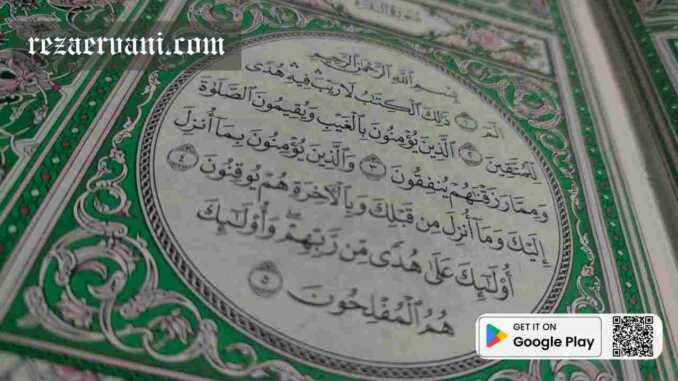
براعة الاستهلال في سورة البقرة؛ عرضٌ وتحليلٌ
The Artistry of the Opening of Surah al-Baqarah: A Study and Analysis (Part Seven)
By: Abd an-Nasir Salamah
Translated by: Reza Ervani bin Asmanu
This article, “The Artistry of the Opening of Surah al-Baqarah,” is included in the Tadabbur al Quran in English Category
بطلان عقائد أهل الكتاب:
The Invalidity of the Beliefs of the People of the Book:
لم يكن تحريف التوراة والإنجيل الموضوع الوحيد المتعلق بأهل الكتاب الذي ستومئ إليه الآيات الأولى من سورة البقرة، بل تضمّنت هذه الآيات أيضًا إشارةً لطيفةً إلى تكذيبهم برسالة النبي -صلى الله عليه وسلم- حين وصفت المتقين بما قال تعالى في شأنهم:
The alteration of the Torah and the Gospel is not the only subject concerning the People of the Book alluded to in the opening verses of Surah al-Baqarah. These verses also contain a subtle indication of their rejection of the message of the Prophet ﷺ, when Allah describes the people of taqwa in His saying:
﴿وَالَّذِينَ يُؤْمِنُونَ بِمَا أُنْزِلَ إِلَيْكَ وَمَا أُنْزِلَ مِنْ قَبْلِكَ﴾ [البقرة: ٤]
“And those who believe in what has been revealed to you and what was revealed before you.” (Surah al-Baqarah: 4)
ففي هذه الآية -كما يقول ابن عاشور- تعريضٌ بغلاة اليهود والنصارى الذين صدَّهم غلوُّهم في دينهم وقولهم على الله غير الحقّ عن اتّباع النبي -صلى الله عليه وسلم-[23]، وقد أفاضت سورة البقرة في الحديث عن موقف اليهود -على وجه الخصوص- من النبي-صلى الله عليه وسلم- وحسَدهم له مع معرفتهم بصدق نبوّته،
In this verse — as Ibn ‘Ashur explains — there is an implicit criticism of extremists among the Jews and Christians, whose excesses in religion and false statements concerning Allah prevented them from following the Prophet ﷺ.1 Surah al-Baqarah also discusses at length, in particular, the attitude of some among the Jews toward the Prophet ﷺ and their envy of him despite their knowledge of the truth of his prophethood.
على غرار قوله تعالى:
As in the words of Allah Most High:
﴿بِئْسَمَا اشْتَرَوْا بِهِ أَنْفُسَهُمْ أَنْ يَكْفُرُوا بِمَا أَنْزَلَ اللَّهُ بَغْيًا أَنْ يُنَزِّلَ اللَّهُ مِنْ فَضْلِهِ عَلَى مَنْ يَشَاءُ مِنْ عِبَادِهِ فَبَاءُوا بِغَضَبٍ عَلَى غَضَبٍ وَلِلْكَافِرِينَ عَذَابٌ مُهِينٌ﴾ [البقرة: ٩٠]،
“Wretched is that for which they sold themselves: that they should disbelieve in what Allah has revealed, out of resentment that Allah should send down His bounty upon whomever He wills among His servants. So they incurred wrath upon wrath, and for the disbelievers is a humiliating punishment.” (Surah al-Baqarah: 90)
وقوله تعالى:
And His saying:
﴿وَلَمَّا جَاءَهُمْ رَسُولٌ مِنْ عِنْدِ اللَّهِ مُصَدِّقٌ لِمَا مَعَهُمْ نَبَذَ فَرِيقٌ مِنَ الَّذِينَ أُوتُوا الْكِتَابَ كِتَابَ اللَّهِ وَرَاءَ ظُهُورِهِمْ كَأَنَّهُمْ لَا يَعْلَمُونَ﴾ [البقرة: ١٠١]
“And when there came to them a Messenger from Allah confirming what was with them, a group of those who had been given the Book cast the Book of Allah behind their backs as though they did not know.” (Surah al-Baqarah: 101)
وقوله تعالى:
And His saying:
﴿الَّذِينَ آتَيْنَاهُمُ الْكِتَابَ يَعْرِفُونَهُ كَمَا يَعْرِفُونَ أَبْنَاءَهُمْ وَإِنَّ فَرِيقًا مِنْهُمْ لَيَكْتُمُونَ الْحَقَّ وَهُمْ يَعْلَمُونَ﴾ [البقرة: ١٤٦]،
“Those to whom We have given the Book recognize him just as they recognize their own sons. Yet indeed, a group among them knowingly conceal the truth.” (Surah al-Baqarah: 146)
وآيات أخرى عديدة تبين هذا المعنى. ومن مناسبة هذا جاء الحديث في السورة عن ضرورة الإيمان بجميع الرسل دون تفريقٍ بينهم، كما تفيد ذلك آياتٌ عديدةٌ، على غرار قوله تعالى:
Many other verses convey the same meaning. In connection with this, the surah also emphasizes the necessity of believing in all the messengers without making distinctions between them, as is indicated by numerous verses, including the words of Allah Most High:
قُولُوا آمَنَّا بِاللَّهِ وَمَا أُنْزِلَ إِلَيْنَا وَمَا أُنْزِلَ إِلَى إِبْرَاهِيمَ وَإِسْمَاعِيلَ وَإِسْحَاقَ وَيَعْقُوبَ وَالْأَسْبَاطِ وَمَا أُوتِيَ مُوسَى وَعِيسَى وَمَا أُوتِيَ النَّبِيُّونَ مِنْ رَبِّهِمْ لَا نُفَرِّقُ بَيْنَ أَحَدٍ مِنْهُمْ وَنَحْنُ لَهُ مُسْلِمُونَ [البقرة: ١٣٦].
“Say: We believe in Allah and in what has been revealed to us, and in what was revealed to Ibrahim, Isma’il, Ishaq, Ya’qub, and the Tribes, and in what was given to Musa and ‘Isa, and in what was given to the prophets from their Lord. We make no distinction between any of them, and to Him we submit.” (Surah al-Baqarah: 136)
ومن الموضوعات الأخرى التي جاءت الإشارة إليها في مستهلّ السورة بخصوص أهل الكتاب أيضًا: ضعف إيمانهم بالآخرة وإيثار الحياة الدنيا عليها، وذلك في قوله تعالى في وصف المتقين:
Another subject concerning the People of the Book that is alluded to at the beginning of the surah is, according to the author, the weakness of their faith in the Hereafter and their preference for worldly life over it. This is indicated in Allah’s description of the people of taqwa:
﴿وَبِالْآخِرَةِ هُمْ يُوقِنُونَ﴾ [البقرة: ٤]؛
“And concerning the Hereafter, they have certainty.” (Surah al-Baqarah: 4)
وقد صِيغت هذه الجملة بما يدلّ على الاهتمام بموضوع الآخرة وذلك من خلال تخصيص الآخرة بالذِّكْر بعد دخولها في عموم قوله تعالى قبل ذلك:
This sentence is structured in a way that indicates particular emphasis on the matter of the Hereafter. The Hereafter is mentioned specifically even though it had already been included within the general meaning of the preceding words of Allah Most High:
﴿الَّذِينَ يُؤْمِنُونَ بِالْغَيْبِ﴾ [البقرة: ٣]
“Those who believe in the unseen.” (Surah al-Baqarah: 3)
إذ الآخرة من جملة الغيب؛ غير أنها خُصَّت بالذِّكْر لإفادة الاهتمام بها، وكذا من خلال إيثار التعبير عن الإيمان بها بالإيقان وهو أبلغُ في باب التصديق، يضاف إلى ذلك تقديم المعمول: ﴿وَبِالْآخِرَةِ﴾ على عامله ﴿يُوقِنُونَ﴾؛ بيانًا لمزيد الاهتمام
The Hereafter is itself part of the unseen, yet it is singled out for mention in order to emphasize its importance. Likewise, faith in it is expressed using yuqinun — “they have certainty” — which conveys a stronger degree of affirmation than simply saying that they believe. In addition, the phrase ﴿وَبِالْآخِرَةِ﴾ is placed before its governing verb ﴿يُوقِنُونَ﴾, further emphasizing the importance attached to the Hereafter.2
وفي هذا تمامُ الثناء على المتقين في قوة إيمانهم بالآخرة وتعريضٌ بمن لم يكن إيمانهم بها بالغًا تلك المنزلة مع حصول الدعوى منهم بذلك؛ وهم أهل الكتاب، حيث جاء في سورة البقرة لاحقًا ما يفضح دعواهم في صدق إيمانهم بالآخرة ويبطله، وذلك في قوله تعالى:
This contains complete praise for the people of taqwa because of the strength of their certainty regarding the Hereafter, while at the same time implicitly criticizing those whose faith in it does not reach this level despite their claim to possess such faith — namely, the People of the Book, according to the author’s interpretation. Later passages in Surah al-Baqarah challenge the sincerity of this claim, as in the words of Allah Most High:
قُلْ إِنْ كَانَتْ لَكُمُ الدَّارُ الْآخِرَةُ عِنْدَ اللَّهِ خَالِصَةً مِنْ دُونِ النَّاسِ فَتَمَنَّوُا الْمَوْتَ إِنْ كُنْتُمْ صَادِقِينَ * وَلَنْ يَتَمَنَّوْهُ أَبَدًا بِمَا قَدَّمَتْ أَيْدِيهِمْ وَاللَّهُ عَلِيمٌ بِالظَّالِمِينَ [البقرة: ٩٤ – ٩٥].
“Say: If the Home of the Hereafter with Allah is exclusively for you rather than for other people, then wish for death, if you are truthful. But they will never wish for it because of what their own hands have sent ahead, and Allah knows the wrongdoers.” (Surah al-Baqarah: 94–95)
ومن مناسبات هذا جاء التنبيه في السورة مرارًا على تحريف اليهود التوراة مقابل ثمنٍ قليلٍ من الدنيا؛ إِذْ يدلّ هذا الصنيع على عدم مبالاتهم بالآخرة؛ فيكون ذلك تكذيبًا لهم في صدق إيمانهم بها، قال تعالى عنهم:
In keeping with this theme, Surah al-Baqarah repeatedly draws attention to the alteration of the Torah by some among the Jews in exchange for a small worldly gain. According to the author, such conduct indicates a lack of concern for the Hereafter and thus challenges the sincerity of their claim to believe in it. Allah Most High says concerning them:
﴿أُولَئِكَ الَّذِينَ اشْتَرَوُا الْحَيَاةَ الدُّنْيَا بِالْآخِرَةِ فَلَا يُخَفَّفُ عَنْهُمُ الْعَذَابُ وَلَا هُمْ يُنْصَرُونَ﴾ [البقرة: ٨٦].
“Those are the ones who purchased the life of this world at the price of the Hereafter. So the punishment will not be lightened for them, nor will they be helped.” (Surah al-Baqarah: 86)
To be continued in the next part, in sha Allah
For more comfortable reading, use the rezandroid app. Download the latest version from the Google Play Store: https://play.google.com/store/apps/details?id=com.rezaervani.rezandroid
Leave a Reply