براعة الاستهلال في سورة البقرة؛ عرضٌ وتحليلٌ
The Artistry of the Opening of Surah al-Baqarah: A Study and Analysis (Part Six)
By: Abd an-Nasir Salamah
Translated by: Reza Ervani bin Asmanu
This article, “The Artistry of the Opening of Surah al-Baqarah,” is included in the Tadabbur al Quran in English Category
ومما يستدعيه كونُ هذا القرآن معجزًا وكاملًا أن يكون محفوظًا ومصونًا عن التعرُّض إلى التحريف أو الزوال؛ ولذلك جيء بما يدلّ على هذا المعنى في الجملة الآنفة الذِّكْر:
Among the implications of the Qur’an being miraculous and perfect is that it must be preserved and protected from alteration or disappearance. For this reason, an indication of this meaning appears in the previously mentioned expression:
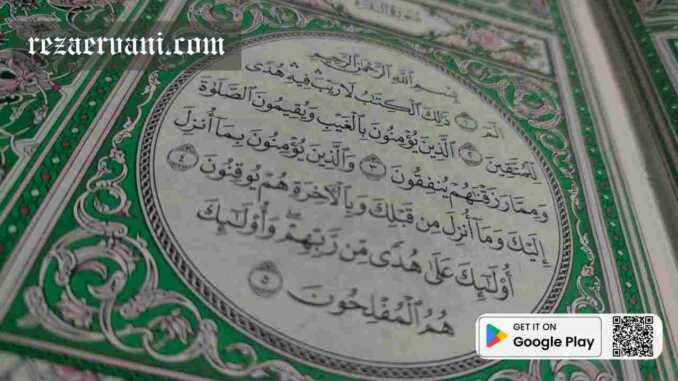
ذَلِكَ الْكِتَابُ
“That is the Book.” (Surah al-Baqarah: 2)
إذ أوثر هنا لفظ الكتاب على لفظ القرآن الدال على القراءة ليكون كالأمر بتقييد ما ينزل من الوحي لأجل حفظه؛ إِذ الكتابة قَيْد العلم، وفي هذا يقول ابن عاشور كذلك: وتسمية القرآن كتابًا إشارةٌ إلى وجوب كتابته لحفظه . ومن المعلوم أن القرآن جُمع كتابةً في مصاحف على عهد الخليفة أبي بكر -رضي الله عنه- لمّا خيف ذهابه بذهاب حمَلته في ساحات المعارك؛ فكانت كتابته وسيلة تحقيق الله الوعد بحفظه.
Here, the word al-kitab (the Book) is preferred over the word al-Qur’an, which emphasizes recitation, as though it contains an indication that the revealed revelation should be committed to writing for the purpose of preserving it, since writing serves as a means of securing knowledge. Ibn ‘Ashur likewise says: “Calling the Qur’an a Book is an indication of the necessity of writing it down in order to preserve it.”1 It is well known that the Qur’an was compiled in written form into mushafs during the caliphate of Abu Bakr, may Allah be pleased with him, when there was concern that parts of it might be lost with the deaths of those who had memorized it on the battlefields. Thus, its writing became one of the means through which Allah’s promise to preserve it was fulfilled.
ومما يستتبعه أيضًا كونُ هذا الكتاب معجزًا ورفيعًا وكاملًا أن يكون سالمًا مما يقدح فيه من الصفات؛ كالاختلال والاضطراب والتضارب، وهو ما نُفي عنه بقوله تعالى:
Another implication of this Book being miraculous, exalted, and perfect is that it must be free from anything that would undermine it, such as inconsistency, disorder, or contradiction. This is what is negated in the words of Allah Most High:
﴿لَا رَيْبَ فِيهِ﴾ [البقرة: ٢]،
“There is no doubt in it.” (Surah al-Baqarah: 2)
إذ ذهب جمعٌ من المفسِّرين إلى أن المراد من هذه الجملة النافية بيان أنه ليس في القرآن ما يوجب ارتيابًا وشكًّا في صحته؛ كأن يكون فيه كلامٌ يناقض بعضه بعضًا أو كلامٌ يجافي الحقيقة والفضيلة، أو يكون فيه أمرٌ بارتكاب الشر والفساد أو يصرف عن الأخلاق الفاضلة، وانتفاءُ ذلك عنه يقتضي أن ما يشتمل عليه القرآن إذا تدبَّر فيه المتدبِّر وجده مفيدًا اليقين بأنه من عند الله تعالى
A number of Qur’anic commentators held that the purpose of this negating statement is to explain that there is nothing in the Qur’an that should cause doubt or uncertainty regarding its truthfulness — such as statements that contradict one another, words that conflict with truth and virtue, commands to commit evil and corruption, or teachings that turn people away from noble character. The absence of all such things implies that whoever reflects deeply upon the contents of the Qur’an will find therein what leads to certainty that it is truly from Allah Most High.2
والذي يظهر بالتدبّر في ما اشتمل عليه قوله تعالى:
Another point that becomes apparent through reflecting upon the meaning contained in the words of Allah Most High:
ذَلِكَ الْكِتَابُ لَا رَيْبَ فِيهِ
“That is the Book in which there is no doubt.” (Surah al-Baqarah: 2)
من الصفات الجليلة في حقّ القرآن أن فيه تعريضًا بما مع أهل الكتاب من التوراة والإنجيل اللذَيْن اعتراهما من التغيير البشريِّ ما حطَّ من منزلتهما بما أُدخل عليهما من الاضطراب والاختلاف المنتفيين عن القرآن العظيم، وقد تطرّقت سورة البقرة إلى ذِكْر تحريف اليهود للتوراة وتغيير ما أنزل اللهُ إليهم فيه من المواعظ والأحكام إلى ما يوافق أهواءهم ومراداتهم، كما قال تعالى في شأنهم:
is that, among the lofty qualities attributed here to the Qur’an, there is an implicit contrast with what the People of the Book possess of the Torah and the Gospel, which, according to the author, were affected by human alteration in a way that diminished their standing through the introduction of inconsistency and disagreement — qualities from which the Noble Qur’an is free. Surah al-Baqarah itself discusses the distortion of the Torah by some among the Jews and their alteration of what Allah had revealed to them of admonitions and rulings so that it would conform to their desires and aims, as Allah Most High says concerning them:
﴿أَفَتَطْمَعُونَ أَنْ يُؤْمِنُوا لَكُمْ وَقَدْ كَانَ فَرِيقٌ مِنْهُمْ يَسْمَعُونَ كَلَامَ اللَّهِ ثُمَّ يُحَرِّفُونَهُ مِنْ بَعْدِ مَا عَقَلُوهُ وَهُمْ يَعْلَمُونَ﴾ [البقرة: ٧٥]،
“Do you still hope that they will believe you, while a group among them used to hear the words of Allah and then distort them after they had understood them, while they knowingly did so?” (Surah al-Baqarah: 75)
وقوله تعالى:
And His saying:
﴿فَوَيْلٌ لِلَّذِينَ يَكْتُبُونَ الْكِتَابَ بِأَيْدِيهِمْ ثُمَّ يَقُولُونَ هَذَا مِنْ عِنْدِ اللَّهِ لِيَشْتَرُوا بِهِ ثَمَنًا قَلِيلًا فَوَيْلٌ لَهُمْ مِمَّا كَتَبَتْ أَيْدِيهِمْ وَوَيْلٌ لَهُمْ مِمَّا يَكْسِبُونَ﴾ [البقرة: ٧٩]؛
“So woe to those who write the Book with their own hands and then say, ‘This is from Allah,’ in order to gain a small price thereby. Woe to them for what their hands have written, and woe to them for what they earn.” (Surah al-Baqarah: 79)
فتكون الإشارة اللطيفة إلى هذا الموضوع في مطلع السورة من براعة الاستهلال.
Thus, this subtle indication to the subject at the beginning of the surah constitutes part of its bara’at al-istihlal.
كما أنّ الحديث عن تحريف أهل الكتاب للتوراة والإنجيل ليس مقتصرًا على سورة البقرة فحسب، بل تكرّر ذِكْره لا سيما في السور المدنية التي تلت البقرة؛ وهي آل عمران، والنساء، والمائدة، فيكون في الإشارة إلى ذلك هنا براعةُ استهلال بالنسبة لجميع القرآن. ويدخل في هذا الحكم أيضًا القرآن المكيُّ بما اشتمل عليه من الآيات العديدة المنوِّهة برفعة كتاب الله تعالى، كما في قوله تعالى:
Likewise, the discussion of the alteration of the Torah and the Gospel by the People of the Book is not confined to Surah al-Baqarah alone. It is mentioned repeatedly, particularly in the Madinan surahs that follow al-Baqarah, namely Ali ‘Imran, an-Nisa’, and al-Ma’idah. The indication to this theme here therefore also constitutes bara’at al-istihlal in relation to the Qur’an as a whole. This also extends to the Makkan Qur’an, which contains many verses emphasizing the exalted status of the Book of Allah Most High, as in His saying:
﴿فَلَا أُقْسِمُ بِمَوَاقِعِ النُّجُومِ * وَإِنَّهُ لَقَسَمٌ لَوْ تَعْلَمُونَ عَظِيمٌ * إِنَّهُ لَقُرْآنٌ كَرِيمٌ * فِي كِتَابٍ مَكْنُونٍ * لَا يَمَسُّهُ إِلَّا الْمُطَهَّرُونَ * تَنْزِيلٌ مِنْ رَبِّ الْعَالَمِينَ﴾ [الواقعة: ٧٥ – ٨٠].
“I swear by the positions of the stars — and indeed it is a mighty oath, if only you knew — indeed, this is a noble Qur’an, in a well-preserved Book, which none touch except the purified, a revelation from the Lord of the worlds.” (Surah al-Waqi’ah: 75–80)
To be continued in the next part, in sha Allah
For more comfortable reading, use the rezandroid app. Download the latest version from the Google Play Store: https://play.google.com/store/apps/details?id=com.rezaervani.rezandroid
Leave a Reply