براعة الاستهلال في سورة البقرة؛ عرضٌ وتحليلٌ
The Artistry of the Opening of Surah al-Baqarah: A Study and Analysis (Part Thirteen)
By: Abd an-Nasir Salamah
Translated by: Reza Ervani bin Asmanu
This article, “The Artistry of the Opening of Surah al-Baqarah,” is included in the Tadabbur al Quran in English Category
والحقُّ أنّ الإشارة إلى الإنفاق في هذا الموضع بهذه العبارة الوجيزة ذات المعاني الغزيرة براعةُ استهلالٍ لسورة البقرة نفسِها؛ إِذْ تناولتْ هذا الموضوع بتوسُّعٍ واستفاضةٍ، وعالجته من جوانب عديدةٍ، وهو براعةُ استهلالٍ لجميع القرآن أيضًا، لا سيما في مدنيِّه الذي اعتنى بموضوع الإنفاق عنايةً زائدةً تحضيضًا للمؤمنين على التكافل الاجتماعيِّ، وتعريضًا باليهود والمنافقين الذين كان البخلُ وأكلُ أموال الناس بالباطل مِن أهمّ صفاتهم، كما تنصُّ على ذلك آياتٌ كثيرة، على غرار قوله تعالى في سورة النساء:
The reference to spending in this passage, expressed in such a concise phrase yet carrying abundant meanings, truly constitutes bara’at al-istihlal for Surah al-Baqarah itself. The surah discusses this theme extensively and from many different angles. It likewise constitutes bara’at al-istihlal for the Qur’an as a whole, especially its Madinan portion, which gives particular attention to the subject of spending in order to encourage the believers toward social solidarity. According to the author, it also implicitly criticizes the Jews and the hypocrites, among whose prominent characteristics were miserliness and consuming people’s wealth unlawfully, as many verses indicate, including the words of Allah Most High in Surah an-Nisa’:
﴿الَّذِينَ يَبْخَلُونَ وَيَأْمُرُونَ النَّاسَ بِالْبُخْلِ وَيَكْتُمُونَ مَا آتَاهُمُ اللَّهُ مِنْ فَضْلِهِ وَأَعْتَدْنَا لِلْكَافِرِينَ عَذَابًا مُهِينًا﴾ [النساء: ٣٧]
“Those who are miserly and command other people to be miserly, and conceal what Allah has given them from His bounty. And We have prepared for the disbelievers a humiliating punishment.” (Surah an-Nisa’: 37)
فقد ذكر المفسِّرون أن المعنيّ بهذه الآية اليهود، وقال ابن عاشور: «ويجوز أن تكون في المنافقين؛ فقد كانوا يأمرون الناس بالبخل:
The Qur’anic commentators have mentioned that those intended by this verse are the Jews.1 Ibn ‘Ashur said: “It is also possible that it refers to the hypocrites, for they used to command people to withhold spending, as in His saying:
﴿هُمُ الَّذِينَ يَقُولُونَ لَا تُنْفِقُوا عَلَى مَنْ عِنْدَ رَسُولِ اللَّهِ حَتَّى يَنْفَضُّوا﴾ [المنافقون: ٧]»
‘They are the ones who say, “Do not spend on those who are with the Messenger of Allah until they disperse.”’” (Surah al-Munafiqun: 7)2
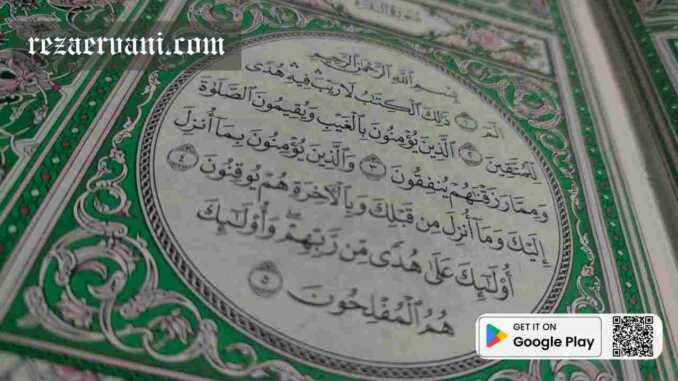
والجدير بالذِّكْر أن هذه الآية الثالثة قد اشتملت على ذِكْر أمّهات الدين؛ إِذْ يمثّل الإيمانُ بالغيب عملَ القلب، وإقامُ الصلاة عملَ البدن، والإنفاقُ بذلَ المال، وهذه -بتعبير أبي حيانٍ- عُمُدُ أفعال المتقي[37]، وعليها مدار التشريع والتكليف كلِّه، وقد تُنُووِلَت في السورة تناولًا مفرَّقًا تارةً؛ وذلك بأن تُذكر منفصلةً عن بعضها، كما تُنوولت مجتمعةً كاجتماعها في مستهلّ السورة تارةً أخرى، كما في قوله تعالى خطابًا لبني إسرائيل:
It is worth noting that this third verse includes the fundamental pillars of religion: belief in the unseen represents the action of the heart, establishing prayer represents the action of the body, and spending represents the giving of wealth. These are, in the words of Abu Hayyan, the principal foundations of the deeds of the people of taqwa,3 and all religious legislation and obligation revolve around these three matters.4 They are addressed throughout Surah al-Baqarah, sometimes separately from one another and at other times together in a single context, just as they are gathered together at the beginning of the surah. An example is Allah’s address to the Children of Israel:
﴿وَآمِنُوا بِمَا أَنْزَلْتُ مُصَدِّقًا لِمَا مَعَكُمْ وَلَا تَكُونُوا أَوَّلَ كَافِرٍ بِهِ وَلَا تَشْتَرُوا بِآيَاتِي ثَمَنًا قَلِيلًا وَإِيَّايَ فَاتَّقُونِ * وَلَا تَلْبِسُوا الْحَقَّ بِالْبَاطِلِ وَتَكْتُمُوا الْحَقَّ وَأَنْتُمْ تَعْلَمُونَ * وَأَقِيمُوا الصَّلَاةَ وَآتُوا الزَّكَاةَ وَارْكَعُوا مَعَ الرَّاكِعِينَ﴾ [البقرة: ٤١- ٤٣]
“And believe in what I have revealed, confirming what is with you, and do not be the first to disbelieve in it. Do not exchange My signs for a small price, and fear Me alone. Do not mix truth with falsehood or conceal the truth while you know. Establish prayer, give zakah, and bow with those who bow.” (Surah al-Baqarah: 41–43)
يقول صاحب (نظم الدرر) -وذلك منه بديعٌ-: «ولمّا فرغ سبحانه من أمرِ أهل الكتاب بالإيمان بالله والنبيِّ والكتابِ الذي هو من الهدى الآتي إليهم المشار إلى ذلك كله بالإيفاء بالعهد، عطف بقوله: ﴿وَأَقِيمُوا الصَّلَاةَ﴾، أي: حافظوا على العبادة المعهود بها في كلِّ يومٍ بجميع شرائطها وأركانها، ﴿وَآتُوا الزَّكَاةَ﴾، أي: المفروضة في كلّ حَوْلٍ؛ لتجمعوا أوصاف المتقين المهديين بهذا الكتاب: ﴿الَّذِينَ يُؤْمِنُونَ بِالْغَيْبِ وَيُقِيمُونَ الصَّلَاةَ وَمِمَّا رَزَقْنَاهُمْ يُنْفِقُونَ﴾ [البقرة: ٣]، المحسنين بذلك فيما بينهم وبين الحقِّ، وفيما بينهم وبين الخلق، وهاتان العبادتان أُمَّا العبادات البدنية والمالية فخُصَّا بالذِّكْر؛ لأنّ من شأنهما استجرارَ سائر العبادات واستتباعَها»
The author of Nazhm ad-Durar said — and this is a particularly subtle observation: “After Allah, Glorified is He, completed His command to the People of the Book to believe in Allah, the Prophet, and the Book that is part of the guidance coming to them — all of which is indicated by fulfilling the covenant — He then followed it with His saying: ‘Establish prayer,’ meaning: maintain the daily act of worship entrusted to you with all of its conditions and pillars; ‘and give zakah,’ meaning the obligatory zakah due each year, so that you may combine within yourselves the characteristics of the people of taqwa who are guided by this Book: ‘Those who believe in the unseen, establish prayer, and spend from what We have provided them’ (Surah al-Baqarah: 3). Through these acts they practice excellence in their relationship with Allah and in their relationship with creation. These two acts of worship — prayer and zakah — are the foremost bodily and financial acts of worship, and they are mentioned specifically because they naturally draw other acts of worship along with them.”5
ونظير هذا أيضًا آيةُ البِرِّ، وهي قوله تعالى:
A similar example is the Verse of Righteousness (Ayat al-Birr), namely the words of Allah Most High:
﴿لَيْسَ الْبِرَّ أَنْ تُوَلُّوا وُجُوهَكُمْ قِبَلَ الْمَشْرِقِ وَالْمَغْرِبِ وَلَكِنَّ الْبِرَّ مَنْ آمَنَ بِاللَّهِ وَالْيَوْمِ الْآخِرِ وَالْمَلَائِكَةِ وَالْكِتَابِ وَالنَّبِيِّينَ وَآتَى الْمَالَ عَلَى حُبِّهِ ذَوِي الْقُرْبَى وَالْيَتَامَى وَالْمَسَاكِينَ وَابْنَ السَّبِيلِ وَالسَّائِلِينَ وَفِي الرِّقَابِ وَأَقَامَ الصَّلَاةَ وَآتَى الزَّكَاةَ وَالْمُوفُونَ بِعَهْدِهِمْ إِذَا عَاهَدُوا وَالصَّابِرِينَ فِي الْبَأْسَاءِ وَالضَّرَّاءِ وَحِينَ الْبَأْسِ أُولَئِكَ الَّذِينَ صَدَقُوا وَأُولَئِكَ هُمُ الْمُتَّقُونَ﴾ [البقرة: ١٧٧]
“Righteousness is not that you turn your faces toward the east or the west. Rather, righteousness is in one who believes in Allah, the Last Day, the angels, the Book, and the prophets; gives wealth, despite loving it, to relatives, orphans, the needy, the traveler, those who ask, and for freeing slaves; establishes prayer; gives zakah; fulfills covenants when they make them; and remains patient in hardship, suffering, and at times of battle. Those are the ones who are truthful, and those are the people of taqwa.” (Surah al-Baqarah: 177)
فهذه الآية جاءت جامعةً لهذه الخصال الثلاث في سياقٍ واحدٍ بترتيبها المتقدِّم، ولذلك عُدَّت عند المفسِّرين من عظائم الآي
This verse brings together these three principal characteristics — faith, prayer, and spending — within a single passage and in the same order in which they appeared earlier. For this reason, Qur’anic commentators have regarded it as one of the most momentous verses.6
وبهذا الذي ذكرناه آنفًا يتبين وجهٌ آخرُ من أوجه براعة الاستهلال في هذه الآية الثالثة العظيمة الشأن.
From what has been explained above, another aspect of bara’at al-istihlal in this tremendously significant third verse becomes clear.
To be continued in the next part, in sha Allah
For more comfortable reading, use the rezandroid app. Download the latest version from the Google Play Store: https://play.google.com/store/apps/details?id=com.rezaervani.rezandroid
Catatan Kaki
- See: al-Jami’ li Ahkam al-Qur’an, al-Qurtubi, Beirut: Mu’assasat ar-Risalah, 1427 AH / 2006 CE, vol. 6, p. 319.
- See: at-Tahrir wa at-Tanwir, vol. 5, p. 53.
- See: al-Bahr al-Muhit fi at-Tafsir, vol. 1, p. 68.
- See: Nazhm ad-Durar, vol. 1, pp. 88–89.
- See: Nazhm ad-Durar, vol. 1, pp. 332–333.
- See: al-Jami’ li Ahkam al-Qur’an (3/59), Tafsir al-Qur’an al-‘Azim (1/485), Irshad al-‘Aql as-Salim (1/194), at-Tahrir wa at-Tanwir (2/128), and Adwa’ al-Bayan, ash-Shinqiti, Beirut: Dar al-Fikr, 1415 AH / 1995 CE, vol. 8, p. 251.
Leave a Reply