أنواع المصنفات في الحديث النبوي
Types of Hadith Compilations (Part Two)
Translated by: Reza Ervani bin Asmanu
This article, “Types of Hadith Compilations,” is included in the Science of Hadith Category
٢- السنن :
2. As-Sunan:
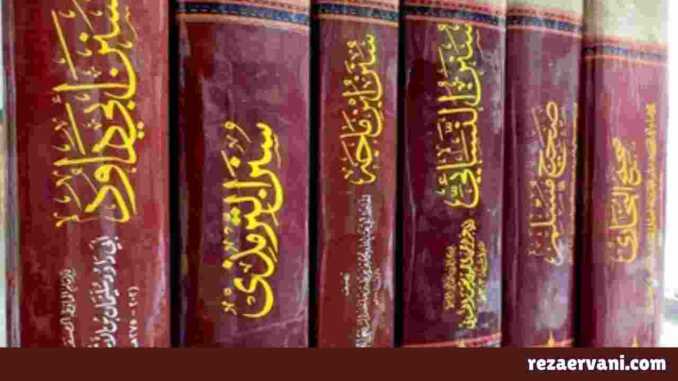
كتب السنن هي الكتب التي تجمع أحاديث الأحكام المرفوعة مرتبة على أبواب الفقه ، وأشهر كتب السنن سنن أبي داود ، و سنن الترمذي ، وهو جامع الترمذي كما ذكرنا ، و سنن النسائي ، و سنن ابن ماجة ، ويطلق على هذه السنن السنن الأربعة ، وإذا قالوا : الثلاثة فمرادهم هذه ما عدا ابن ماجة ، وإذا قالوا : الخمسة فمرادهم السنن الأربعة ومسند أحمد ، وإذا قالوا : الستة فمرادهم الصحيحان والسنن الأربعة ، ويرمزون لها في كتب التخريج وكتب الرجال بهذه الرموز (خ) للبخاري ، (م) للإمام مسلم، (د) لأبي داود، (ت) للترمذي، (س) للنسائي، (هـ) لابن ماجة ، (ع) للستة ،(عه) للسنن الأربعة .
Sunan books are works that collect marfu’ hadiths relating to legal rulings and arrange them according to the chapters of fiqh. The most famous Sunan works are Sunan Abi Dawud, Sunan at-Tirmidhi — which is also the Jami’ at-Tirmidhi mentioned previously — Sunan an-Nasa’i, and Sunan Ibn Majah. These four works are collectively known as as-Sunan al-Arba’ah, the Four Sunan. When scholars say “the three,” they mean these works excluding Ibn Majah. When they say “the five,” they mean the Four Sunan together with Musnad Ahmad. When they say “the six,” they mean the two Sahih collections together with the Four Sunan. In works of takhrij and biographical works on narrators, these collections are represented by the following abbreviations: (خ) for al-Bukhari, (م) for Imam Muslim, (د) for Abu Dawud, (ت) for at-Tirmidhi, (س) for an-Nasa’i, (هـ) for Ibn Majah, (ع) for the six books, and (عه) for the Four Sunan.
٣- المصنفات :
3. Al-Musannafat (Musannaf Collections):
وهي كتب مرتبة على الأبواب لكنها تشتمل على الحديث الموقوف والحديث المقطوع ، بالإضافة إلى الحديث المرفوع ، ومن أشهر المصنفات مصنف عبد الرزاق بن همام الصنعاني (ت 211) ، ومصنف أبي بكر بن أبي شيبة (ت 235) .
These are books arranged according to chapters, but in addition to marfu’ hadiths, they also include mawquf reports and maqtu’ reports. Among the most famous works of this type are the Musannaf of ‘Abd ar-Razzaq ibn Hammam as-San’ani (d. 211 AH) and the Musannaf of Abu Bakr ibn Abi Shaybah (d. 235 AH).
٤- المستدركات :
4. Al-Mustadrakat (Mustadrak Collections):
الاستدراك في اصطلاح أهل الحديث : هو جمع الأحاديث التي تكون على شرط أحد المصنفين ولم يخرجها في كتابه ، ومعلوم أن الشيخين البخاري ومسلم لم يستوعبا الصحيح في كتابيهما ، ولا التزما ذلك ، إذن فهناك أحاديث هي على شرطهما أو على شرط أحدهما لم يخرجاها في كتابيهما ، وقد عنى العلماء بالاستدراك عليهما ، وألفوا في ذلك المصنفات ، وأطلقوا عليها اسم المستدركات ، وأشهرها المستدرك للحاكم النيسابوري .
In the terminology of hadith scholars, istidrak means collecting hadiths that meet the criteria of a particular compiler but were not included in his book. It is well known that the two Imams, al-Bukhari and Muslim, did not include every authentic hadith in their respective collections, nor did they claim to do so. There are therefore hadiths that satisfy the criteria of both of them, or of one of them, but which they did not include in their books. Scholars gave attention to collecting such hadiths and produced works known as Mustadrakat. The most famous of these is al-Mustadrak by al-Hakim an-Naysaburi.
٥- المستخرجات :
5. Al-Mustakhrajat (Mustakhraj Collections):
معنى الاستخراج : هو أن يعمد حافظ من الحفاظ إلى كتاب من كتب الحديث كصحيح البخاري أو صحيح مسلم ، أو غيرهما من الكتب فيخرج أحاديثه بأسانيد لنفسه من غير طريق صاحب الكتاب فيجتمع معه في شيخه أو من فوقه ، ولو في الصحابي مع رعاية ترتيبه ومتونه وطرق أسانيده ، وشرطه ألا يصل إلى شيخ أبعد حتى يفقد سندًا يوصله إلى الأقرب ما لم يكن هناك عذر من علو في السند أو زيادة مهمة في المتن ، وربما أسقط المستخرج أحاديث لم يجد له بها سندًا يرتضيه ، وربما ذكرها من طريق صاحب الكتاب الذي يستخرج عليه ، وأشهرها الكتب المخرجة على الصحيحين أو أحدهما .
Istikhraj refers to the practice in which a hadith master takes a hadith collection such as Sahih al-Bukhari, Sahih Muslim, or another work, and narrates its hadiths through his own chains of transmission rather than through the route of the original author. His chain eventually meets that of the original compiler at the compiler’s teacher or at a narrator above him, even if the meeting point is only at the level of the Companion, while preserving the arrangement, texts, and chains of the hadiths. One of the conditions is that the compiler of a Mustakhraj should not bypass a nearer narrator in favor of a more distant one as long as he possesses a chain reaching the nearer narrator, unless there is a valid reason such as obtaining a higher chain of transmission or an important addition in the text. At times, the author of a Mustakhraj may omit hadiths for which he cannot find an acceptable chain of his own, and at other times he may include them through the route of the original compiler. The most famous works of this type are those composed as Mustakhraj works upon the two Sahih collections or upon one of them.
ثانيـًا : الكتب المرتبة على أسماء الصحابة :
Second: Books Arranged According to the Names of the Companions:
وهي كتب تجمع الأحاديث التي يرويها كل صحابي في موضع خاص يحمل اسم راويها الصحابي ، وهذه الطريقة مفيدة لمعرفة عدد مرويات الصحابي عن النبي ـ صلى الله عليه وسلم – وطبيعتها ، وتسهيل اختبارها ، فضلاً عن كونها إحدى الطرق المفيدة في استخراج الحديث بمعرفة الصحابي الذي يرويه ، وما يتبع ذلك من سهولة درسه ، والكتب المرتبة على أسماء الصحابة نوعان :
These are books that gather the hadiths narrated by each Companion in a separate section bearing the name of that Companion. This method is useful for determining the number and nature of the reports transmitted by a particular Companion from the Prophet ﷺ and for making those reports easier to examine. It is also one of the useful methods for locating a hadith when the Companion who narrated it is known, which in turn facilitates its study. Books arranged according to the names of the Companions are of two types:
To be continued in the next part, in sha Allah
Source: IslamWeb
Leave a Reply