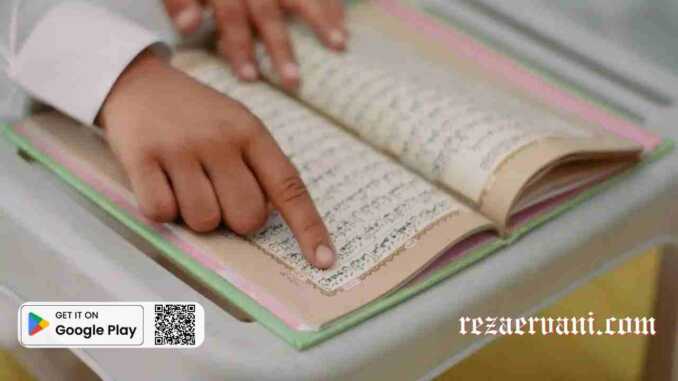
مدى مشروعية قراءة من لا يتقن أحكام التلاوة
The Ruling on Reciting the Qur’an for Those Who Have Not Mastered Tajwid
Translated by: Reza Ervani bin Asmanu
This article on Reciting the Qur’an for Those Who Have Not Mastered Tajwid is part of the Islamic Question and Answers
السؤال
Question:
يوجد لدي أخ في الله نقوم نحن الاثنان بتلاوة القرآن وبالتسميع على بعضنا البعض بعد صلاة الفجر، وذلك نبتغي به مرضاة الله، ونحن أي أنا وهو لا نتقن الأحكام جيداً، ولكن نحاول أن نصحح لبعض، ونحن الآن توقفنا عن فعل ذلك خوفاً من أنه يمكن أن تكون قراءتنا غير صحيحة، ونكون بذلك نأثم عوضا عن ابتغاء الأجر فأفيدونا أفادكم الله؟ وجزاكم الله عنا كل خير.
I have a brother in faith. Both of us used to recite the Qur’an and review each other’s recitation after Fajr prayer. We did this seeking Allah’s pleasure. We have not yet mastered the rules of tajwid, but we try to correct each other. Recently, we stopped doing so out of fear that our recitation might be incorrect and sinful rather than rewarding. Please advise us. May Allah reward you greatly.
الإجابــة
Answer:
الحمد لله، والصلاة والسلام على رسول الله، وعلى آله وصحبه، أما بعد:
All praise is due to Allah, and may peace and blessings be upon the Messenger of Allah, his family, and companions. To proceed:
فالواجب العناية بقراءة القرآن، قال تعالى:
One must take care in reciting the Qur’an. Allah the Exalted says:
(وَقُرْآناً فَرَقْنَاهُ لِتَقْرَأَهُ عَلَى النَّاسِ عَلَى مُكْثٍ وَنَزَّلْنَاهُ تَنْزِيلًا) [الإسراء: ١٠٦]
“And the Qur’an We have separated so that you might recite it to the people over a prolonged period.” (Surah Al-Isra: 106)
وقال تعالى:
And He also says:
(وَرَتِّلِ الْقُرْآنَ تَرْتِيلًا) [المزمل: ٤]
“And recite the Qur’an with measured recitation.” (Surah Al-Muzzammil: 4)
وقد ذهب المتقدمون من علماء القراءات والتجويد إلى أن الأخذ بجميع أصول التجويد واجب يأثم تاركه، سواء أكان متعلقاً بحفظ الحروف ـ مما يغير مبناها ويفسد معناها ـ أم كان متعلقاً بغير ذلك، مما أورده علماء القراءات في كتب التجويد كالإدغام والمدود والغنة، ونحو ذلك.
The early scholars of qira’at and tajwid have said that applying all principles of tajwid is obligatory, and the one who abandons it is sinful — whether it concerns articulation of letters, which may alter structure and meaning, or other rules like idgham, madd, ghunnah, etc., as recorded in tajwid texts.
روى ابن الجزري رحمه الله في كتابه النشر عن نصر الشيرازي أنه قال:
Ibn al-Jazari, may Allah have mercy on him, narrated in his book an-Nasyr from Nasyr asy Syirazi that he said:
حسن الأداء فرض في القراءة، ويجب على القارئ أن يتلو القرآن حق تلاوته. انتهى.
“Proper performance is obligatory in recitation, and the reader must recite the Qur’an as it deserves to be recited.”
وقال:
He also said:
ولا شك أن الأمة كما هم متعبدون بفهم معاني القرآن وإقامة حدوده، كذلك هم متعبدون بتصحيح ألفاظه وإقامة حروفه على الصفة المتلقاة من أئمة القراءة، والمتصلة بالنبي صلى الله عليه وسلم.
“There is no doubt that the Ummah is just as obliged to understand the meanings of the Qur’an and act upon its rulings, as they are to recite it correctly in the manner transmitted from the Imams of recitation, linking back to the Prophet ﷺ.”
ولا شك أن ذلك مطلوب، لا سيما على من قدر عليه، ولم يمنعه عن ذلك مانع من عُجْمةٍ أو عيب في لسانه.
Undoubtedly, this is required—especially for those who are capable and not prevented by non-Arabic background or speech impediments.
قال محمد بن الجزري في الجزرية:
Muhammad ibn al-Jazari said in al-Jazariyyah:
والأخذ بالتجويد حتم لازم من لم يجود القرآن آثم
“Applying tajwid is a binding obligation. Whoever does not apply tajwid to the Qur’an is sinful.”
وقال أحمد بن محمد بن الجزري في شرح الطيبة وهو ابن الناظم : وذلك واجب على من قدر عليه. انتهى.
Ahmad ibn Muhammad ibn al-Jazari (his son) said in his explanation of ath Thayyibah: “That is obligatory for those who are able.”
وما كان من اللحن الجلي الذي يتعلق بمبنى الحرف ومعناه، فلا تجوز القراءة به، وأما اللحن الخفي فليس كل واحد يعرفه، أو يستطيع أن يقف عليه، ولذلك قال علي القارئ:
As for manifest errors (lahn jali) that alter the structure or meaning of words, it is impermissible to recite with them. However, hidden errors (lahn khafi) are not easily recognizable by everyone. Ali al-Qari therefore said:
وينبغي أن تراعى جميع قواعدهم وجوباً فيما يتغير به المبنى ويفسد به المعنى، واستحباباً فيما يحسن به اللفظ أو يستحسن به النطق حال الأداء.
“All rules must be observed when they affect structure and meaning (obligatory), and recommended when they enhance pronunciation or improve articulation.”
وأما اللحن الخفي فقال: لا يتصور أن يكون فرض عين يترتب العقاب على قارئه لما فيه من حرج عظيم.
Regarding hidden mistakes (lahn khafi), it is said that it is unimaginable to consider it a personal obligation incurring sin, due to the great difficulty involved.
وقال أبو حامد الغزالي رحمه الله في الإحياء:
Imam Abu Hamid al-Ghazali, may Allah have mercy on him, said in Ihya’ ‘Ulumuddin:
والذي يُكثر اللحن في القرآن إن كان قادراً على التعلم فليمتنع من القراءة قبل التعلم فإنه عاص به…
“Whoever makes many errors in Qur’an recitation, if he is able to learn, should abstain from reciting until he learns, as he is sinful…”
The full quote goes on to explain that if one cannot improve due to natural limitations, he may continue reading quietly, and there is no sin if that is the best he can do and he is sincere in doing so.
وعليه؛ فإن كانت لكما القدرة على التعلم فالواجب الكف عن قراءة القرآن باللحن حتى تتعلما…
Thus, if you both are capable of learning, it is obligatory to refrain from reciting with errors until you learn from a teacher. If not, benefit from modern tools like audio tapes, software, and online platforms to improve and learn tajwid.
وقد ثبت عن النبي صلى الله عليه وسلم أحاديث كثيرة في فضل تعلم القرآن وحفظه…
There are many authentic hadiths from the Prophet ﷺ on the virtue of learning and memorizing the Qur’an, including:
الماهر بالقرآن مع السفرة الكرام البررة، والذي يقرأ القرآن ويتتعتع فيه وهو عليه شاق له أجران. رواه مسلم.
“The skilled reciter of the Qur’an will be with the noble, righteous scribes. And the one who stutters while reciting, struggling with it, will have two rewards.” (Hadith narrated by Imam Muslim)
وقال صلى الله عليه وسلم:
The Prophet ﷺ also said:
خيركم من تعلم القرآن وعلمه.
“The best among you are those who learn the Qur’an and teach it.” (Hadith narrated by Imam Bukhari)
حافظ القرآن أنه: يوضع على رأسه تاج الوقار يوم القيامة. رواه أحمد والدارمي
“The memorizer of the Qur’an will be crowned with a crown of dignity on the Day of Resurrection.” (Hadith narrated by Ahmad and al-Darimi)
يقال لقارئ القرآن يوم القيامة اقرأ وارق ورتل، فإن منزلتك تكون عند آخر آية تقرؤها. رواه أحمد والترمذي
“It will be said to the Qur’an reciter: Recite, ascend, and recite slowly, for your rank will be at the last verse you recite.” (Hadith narrated by Ahmad and al-Tirmidhi)
والله أعلم.
And Allah knows best.
Source: IslamWeb
Leave a Reply