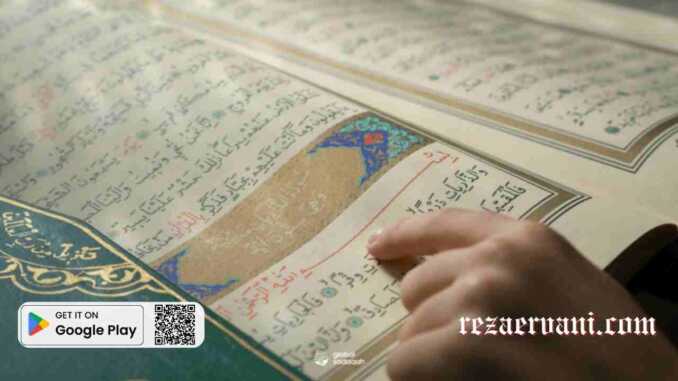
تلاوة القرآن جائزة بكل من التحقيق والتدوير والحدر
Reciting the Qur’an Is Permissible with Tahqiq, Tadwir, and Hadr
Translation: Reza Ervani bin Asmanu
This article on Tahqiq, Tadwir, and Hadr in Reciting Quran in Reciting the Qur’an is part of the Islamic Question and Answers
السؤال
Question:
هناك في قراءت القرآن الحدر والترتيل والتجويد، ولكن أحد الإخوة ذكر لي أن القراءة هي التجويد فقط، وما عدا ذلك بدع، فما صحة هذا الكلام؟
In the recitation of the Qur’an, there is Hadr, Tartil, and Tajwid. However, a brother told me that recitation should only be with Tajwid, and the rest is an innovation (bid‘ah). What is the truth of this statement?
الإجابــة
Answer:
الحمد لله، والصلاة والسلام على رسول الله، وعلى آله وصحبه، أما بعد:
All praise is due to Allah, and may peace and blessings be upon the Messenger of Allah, his family, and companions. To proceed:
فالذي عليه العلماء المتخصصون في فن القراءات أن قراءة القرآن تكون بالأقسام الثلاثة التي ذكرت وهي الترتيل والتدوير والحدر، ويعبر عن الترتيل بالتحقيق، والأقسام الثلاثة داخلة في التجويد،
Scholars specialized in the science of qira’at agree that the Qur’an can be recited using the three methods: Tartil, Tadwir, and Hadr. Tartil is also called Tahqiq. All three styles fall under the rules of Tajwid.
قال الإمام الحافظ أبو الخير محمد المعروف بابن الجزري في كتابه النشر في القراءات العشر:
Imam al-Hafidh Abu al-Khair Muhammad, known as Ibn al-Jazari, said in his book *An-Nashr fi al-Qira’at al-‘Ashr*:
فإن كتاب الله تعالى يقرأ بالتحقيق وبالحدر وبالتدوير الذي هو التوسط بين الحالتين مرتلاً مجوداً بلحون العرب وأصواتها وتحسين اللفظ والصوت بحسب الاستطاعة. انتهى.
“The Book of Allah is to be recited with Tahqiq, Hadr, and Tadwir, the latter being a middle path between the first two—done with tartil and tajwid, in the melodies and tones of the Arabs, beautifying pronunciation and voice according to one’s ability.”
ثم ذكر أمثلة من الذين قرءوا بالترتيل من بينهم حمزة وحفص وورش، ثم قال في شأن الحدر:
He then mentioned examples of those who used Tartil, including Hamzah, Hafs, and Warsh. Regarding Hadr, he said:
فالحدر يكون لتكثير الحسنات في القراءة وحوز فضيلة التلاوة، وليحترز فيه عن بتر حروف المد وذهاب صوت الغنة واختلاس أكثر الحركات وعن التفريط إلى غاية لا تصح بها القراءة ولا توصف بها التلاوة، إلى أن قال: وهذا النوع وهو الحدر مذهب ابن كثير وأبي جعفر وسائر من قصر المنفصل كأبي عمرو ويعقوب وقالون. انتهى.
“Hadr is done to increase rewards and attain the virtue of recitation. But one must beware not to cut the prolongation letters (mad), lose the nasal sounds (ghunnah), or hastily skip vowels such that the recitation becomes invalid. This method—Hadr—was adopted by Ibn Kathir, Abu Ja‘far, and others who shortened the ‘mad munfasil’ like Abu ‘Amr, Ya‘qub, and Qalun.”
ثم قال عن التدوير:
About Tadwir, Ibn al-Jazari said:
وأما التدوير فهو عبارة عن التوسط بين المقامين من التحقيق والحدر وهو الذي ورد عن أكثر الأئمة ممن روى مد المنفصل ولم يبلغ فيه حد الإشباع وهو مذهب سائر القراء وصح عن جميع الأئمة وهو المختار عند أكثر أهل الأداء. انتهى.
“Tadwir is the middle approach between Tahqiq and Hadr. It has been reported from most of the Imams who recited the mad munfasil without prolonging it excessively. It is the method of most Qari’s, verified from all the Imams, and preferred by the majority of scholars in performance.”
وبهذا يتضح جواز القراءة بالأقسام الثلاثة ولم يقل أهل العلم بأن أي واحد منها بدعة وذلك لكون القراءة سنة متبعة متواترة أخذها الأشياخ عن أشياخهم إلى رسول الله صلى الله عليه وسلم فلا يصح إذا أن توصف بالبدعة.
Thus, it is clear that reciting the Qur’an with any of the three methods is permissible. None of the scholars has labeled any of them as innovation (bid‘ah), as these recitations are a followed Sunnah, transmitted in a mutawatir (mass-narrated) manner from teacher to student, all the way back to the Messenger of Allah ﷺ. Therefore, it is incorrect to label them as bid‘ah.
والله أعلم.
And Allah knows best.
Source: IslamWeb
Leave a Reply