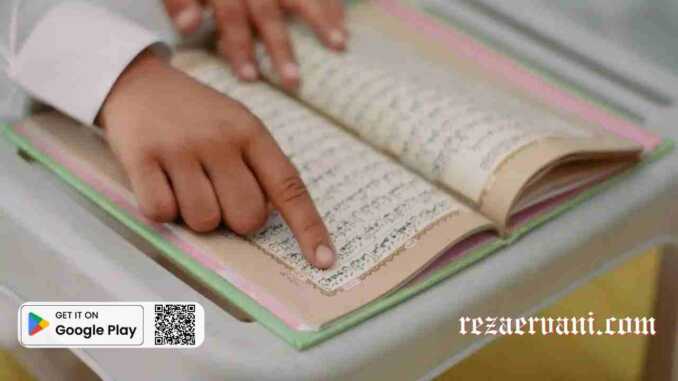
اللحن في القراءة… أقوال الفقهاء في ذلك
Errors in Qur’anic Recitation… Scholars’ Opinions on the Matter
Translation: Reza Ervani bin Asmanu
This article on Errors in Qur’anic Recitation is part of the Islamic Question and Answers
السؤال
Question:
السلام عليكم و رحمة الله
Assalamu’alaikum warahmatullah.
كنت في صلاة فقرأ الإمام (أم كنتم شهداء إذ حضر يعقوب الموت) – بفتح التاء في الموت- فصححت له ثم بعد الصلاة اعترض علي فقلت إن اللحن إذا أخل بالمعنى فإنه تبديل لكلام الله وهو تعالى القائل (لا مبدل لكلماته) الآية فهل فعلي صحيح؟
I was in prayer when the imam recited: “أم كنتم شهداء إذ حضر يعقوب الموت” but he pronounced the word al-maut with a fatḥah on the letter tā’ (الموتَ). I corrected him, but after the prayer, he objected. I told him that if a recitation error alters the meaning, it constitutes a distortion of the words of Allah, Who says: “Laa mubaddila li kalimaatih” (No one can change His words). Was my action correct?
أرجو الإجابة مع عرض أقوال أهل العلم.
Please respond with the opinions of scholars on this matter.
الإجابــة
Answer:
الحمد لله، والصلاة والسلام على رسول الله، وعلى آله وصحبه، أما بعد:
All praise is due to Allah, and may peace and blessings be upon the Messenger of Allah, his family, and companions. To proceed:
فإن نصيحتك لهذا الإمام فعلٌ تثاب عليه إن شاء الله، لقول النبي صلى الله عليه وسلم:
Your advice to the imam is a commendable act that, in shā’ Allāh, you will be rewarded for, based on the statement of the Prophet ﷺ:
“الدين النصيحة، قلنا: لمن يا رسول الله؟ قال: لله، ولكتابه، ولرسوله، ولأئمة المسلمين وعامتهم” رواه مسلم،
“Religion is sincere advice.” We asked: “To whom, O Messenger of Allah?” He replied: “To Allah, His Book, His Messenger, the leaders of the Muslims, and the general Muslims.” (Hadith narrated by Imam Muslim)
وتصحيح خطأ القارئ من النصيحة لكتاب الله تعالى، ومن النصيحة للقارئ نفسه.
Correcting the reciter’s error is part of giving sincere advice for the Book of Allah and also to the reciter himself.
وأما عن حكم صلاة الإمام والمأموم في هذه الحالة، وهي الخطأ في الإعراب في غير الفاتحة، فجمهور العلماء يقولون بصحة صلاتهما، ونظراً لطلبك عرض أقوال العلماء في ذلك فسنعرضها لك باختصار:
As for the ruling on the imam’s and the follower’s prayer in such a case—i.e., grammatical errors outside of Surah al-Fatihah—most scholars state that the prayer remains valid. As requested, here is a summary of their views:
أما الحنفية، فالمتقدمون منهم على بطلان صلاة الإمام والمأموم، إذا كان تغيير الإعراب يؤدي إلى معنىً كفري، وذهب المتأخرون إلى صحة الصلاة، لو أدى إلى معنى كفري، لأن أكثر الناس لا يميزون بين وجوه الإعراب، هذا إن كان على سبيل الخطأ، أما إن كان عامداً، فصلاته باطلة قطعاً.
**Hanafis**: Early scholars ruled that prayer is invalid if the grammatical error results in a meaning of disbelief. Later Hanafis held that the prayer remains valid even if such an error occurs—provided it is accidental—since most people cannot distinguish between grammatical forms. If the mistake is intentional, the prayer is definitely invalid.
وأما المالكية، فالصلاة عندهم صحيحة مطلقاً، إلا إذا كان عامداً، فصلاته باطلة، ولكنهم يشترطون في غير العامد أربعة شروط لصحة صلاته، وهي:
**Malikis**: The prayer remains valid absolutely unless the mistake is intentional, in which case it is invalid. For an unintentional error, four conditions must be met:
١- أن يكون عاجزاً عن التعلم لضيق الوقت.
٢- ألا يجد معلماً يعلمه.
٣- ألا يوجد غيره يؤم الناس.
٤- أن يكون المأموم مثله، أو أقل منه في العلم بالقراءة.
- Unable to learn due to time constraints.
- Cannot find a teacher.
- No one else available to lead the prayer.
- Followers are at the same or lower level in recitation.
فإن تخلف شرط من هذه الشروط، فصلاته باطلة.
If any of these conditions are not met, the prayer is invalid.
وإنما قالوا بصحة صلاة المخطئ دون العامد، لأن القارئ المخطئ لا يقصد ما يقتضيه اللحن، بل يعتقد بقراءته ما يعتقد بها من لا يلحن فيها.
They distinguish between one who errs unintentionally—believing they are reciting correctly—and one who recites in error knowingly.
وأما الشافعية، فالصلاة عندهم صحيحة، ولو كان لحنه يُغير المعنى، هذا إذا كان غير قادرٍ على التعلم أو كان مخطئاً، أما إذا قدر على التعلم أو تعمد اللحن فصلاته باطلة.
**Shafi‘is**: The prayer is valid even if the error changes the meaning—if unintentional or due to lack of ability. If the person is able to learn or does it deliberately, then the prayer is invalid.
قال في روضة الطالب: فإن لحن في غير ذلك لحناً يغير المعنى، كقوله: (أن الله بريء من المشركين ورسوله) بجر اللام، فإن كان قادراً عامداً بطلت صلاته، وإلا فتصح صلاته والقدوة به، لأن ترك السورة جائز. ا.هـ.
As stated in *Rawdat al-Talib*: If someone recites in a way that alters the meaning, such as reading “وَرَسُولِهِ” (with kasrah) instead of the correct form (mansub), and if done knowingly and with the ability to correct, the prayer is invalid. Otherwise, it is valid and following him is allowed since reciting surahs beyond al-Fatihah is sunnah.
وأما الحنابلة، فالصلاة عندهم صحيحة أيضاً، إن كان الإمام مخطئاً، أما إذا تعمد فصلاته باطلة هو ومن اقتدى به.
**Hanbalis**: The prayer is valid if the mistake is unintentional. If the error is deliberate, then both the imam’s and the follower’s prayers are invalid.
قال ابن قدامة: فإن أحال المعنى في غير الفاتحة، لم يمنع صحة الصلاة ولا الائتمام به، إلا أن يتعمده فتبطل صلاتهما. ا.هـ.
Ibn Qudamah said: If a grammatical error alters the meaning outside of Surah al-Fatihah, it does not invalidate the prayer or the congregation unless done deliberately—then both prayers are nullified.
والله أعلم.
And Allah knows best.
Source: IslamWeb
Leave a Reply