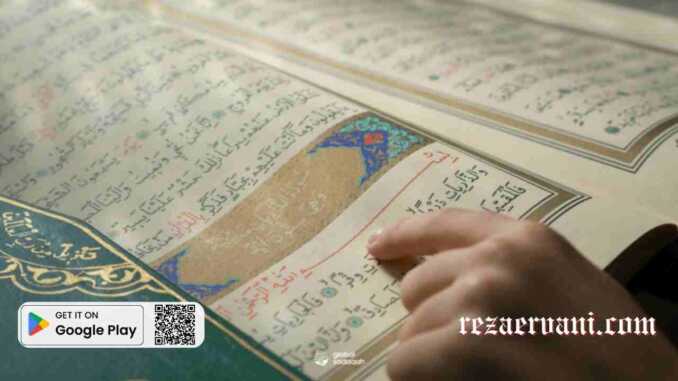
آداب يُطلب من تالي القرآن مراعاتها
Recommended Etiquettes of Reciting the Quran
Translated by: Reza Ervani bin Asmanu
This article on the Recommended Etiquettes of Reciting Quran is part of the Islamic Question and Answers
السؤال
Question:
ما هي آداب قراءة القرآن الكريم؟
What are the etiquettes of reciting the Holy Quran?
الإجابــة
Answer:
الحمد لله، والصلاة والسلام على رسول الله، وعلى آله وصحبه، أما بعد:
All praise is due to Allah, and peace and blessings be upon the Messenger of Allah, his family, and his companions. To proceed:
فإن تلاوة القرآن العظيم من أفضل الطاعات وأعظم القربات فينبغي للمسلم إذا أراد تلاوة القرآن أن يهيئ نفسه لها، ويحصل الآداب المطلوبة لها لينال الثواب الذي قال عنه النبي صلى الله عليه وسلم:
Reciting the Noble Quran is one of the most virtuous acts of worship and a profound means of drawing closer to Allah. Therefore, a Muslim should prepare himself properly and observe the necessary etiquettes to attain the reward mentioned by the Prophet ﷺ:
” من قرأ حرفاً من كتاب الله تعالى فله به حسنة والحسنة بعشر أمثالها، لا أقول: الم حرف، ولكن ألف حرف، ولام حرف، وميم حرف ” رواه الترمذي عن ابن مسعود رضي الله عنه،
“Whoever recites a single letter from the Book of Allah will receive one good deed, and each good deed is multiplied tenfold. I do not say that ‘Alif Lam Mim’ is one letter, but ‘Alif’ is one letter, ‘Lam’ is one letter, and ‘Mim’ is one letter.” (Hadith Narrated by Imam Tirmidhi from Ibn Mas’ud ra)
وقال النووي في التبيان: واعلم أن المذهب الصحيح أن قراءة القرآن أفضل من التسبيح والتهليل وغيرهما.
Imam Nawawi stated in *at-Tibyan*: The sound opinion is that reciting the Quran is more virtuous than tasbih, tahlil, and other forms of remembrance (dhikr).
ومن أهم الآداب التي ينبغي لقارئ القرآن أن يتحلى بها: أن يقصد بقراءته وجه الله تعالى والتقرب إليه، فالعمل إذا دخله الرياء أو السمعة أو المنافسة.. فلا قيمة له بل ربما أصبح وبالاً على صاحبه.
Among the most important etiquettes for a Quran reciter is to intend solely the Face of Allah and to seek closeness to Him. An action tainted with showing off (riya’), love of fame, or competition with others has no real value, and may even turn into a liability for its doer.
ومنها: الطهارة الظاهرة والباطنة، فيطهر ظاهره من الحدث والخبث، وباطنه من الذنوب والمعاصي.
Another etiquette is maintaining both external and internal purity—being physically clean from impurities and spiritually clean from sins and transgressions.
ومنها: القراءة بتدبر لمعانيه وخشوع بقلبه وخضوع بجوارحه فلا يعبث بشيء منها، أو يشغل سمعه أو بصره، بما يتنافى مع التلاوة.
Reciting with reflection on its meanings, with a heart full of humility, and limbs submissive. One should not fidget, nor let hearing or sight be distracted by things incompatible with recitation.
ومنها: أن يكون نظيف الثياب حسن الهيئة مستقبل القبلة إن أمكن.
It is also recommended to wear clean clothing, be neat in appearance, and face the Qiblah whenever possible.
ومنها: السواك قبله، وعليه أن ينظف فمه بأن يتمضمض كلما تنخم، ويجب عليه أن يبتعد عن التدخين وكل الروائح الكريهة.
Using siwak before reciting is encouraged. One should also rinse the mouth after spitting, and avoid smoking or any foul odors.
ومنها: أنه لا ينبغي له أن يقطع التلاوة لشيء من أمور الدنيا إلا إذا كان ذلك ضرورياً.
One should not interrupt the recitation for worldly matters unless absolutely necessary.
والله أعلم.
And Allah knows best.
Source: IslamWeb
Leave a Reply