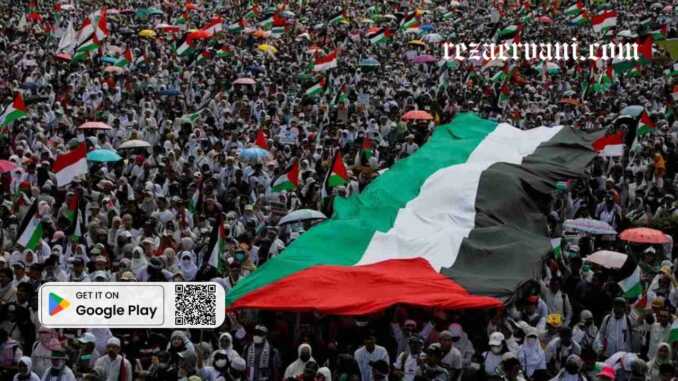
شروط جواز المظاهرات
Conditions for the Permissibility of Demonstrations
Translated by: Reza Ervani bin Asmanu
This article on the Conditions for the Permissibility of Demonstrations is included in the Islamic Question and Answers
السؤال
Question:
الجالية الإسلامية عندنا في جنوب السويد قررت أن تقوم بمظاهرة تضامناً مع الشعب الفلسطيني، على أن تكون المظاهرة سلمية لإيصال صوت المسلمين الى الحومة السويدية، للضغط من أجل إيقاف المجازر في حق أطفال الشعب الفلسطيني. فما حكم مثل هذه المظاهرات؟
The Muslim community in our region in southern Sweden has decided to hold a demonstration in solidarity with the Palestinian people, on the condition that the demonstration be peaceful, in order to convey the voice of the Muslims to the Swedish government to put pressure to stop the massacres against the children of the Palestinian people. What is the ruling on such demonstrations?
ونحيطكم علماً أن مثل هذه المظاهرات لها دور كبير وفعال لإيصال صوت المسلمين الى السياسيين للضغط على حكومة الصهاينة من أجل ايقاف المجازر في حق الاطفال في فلسطين.
We would also like to inform you that such demonstrations play a significant and effective role in conveying the voice of the Muslims to politicians to pressure the Zionist government to stop the massacres against children in Palestine.
وجزاكم الله خيراً.
May Allah reward you with goodness.
الإجابــة
Answer:
الحمد لله، والصلاة والسلام على رسول الله، وعلى آله وصحبه، أما بعد:
All praise is due to Allah, and may peace and blessings be upon the Messenger of Allah, his family, and his companions. To proceed:
فبارك الله فيكم على مشاعركم النبيلة، وعاطفتكم الإيمانية، وحرصكم على التزام أحكام الشرع في المنشط والمكره.
May Allah bless you for your noble feelings, your faith-driven emotion, and your eagerness to adhere to the rulings of the Shariah in both ease and hardship.
أما ما سألتم عنه من رغبتكم القيام بمظاهرة تضامناً مع إخوانكم في فلسطين، فإننا نقول: إن هذه المظاهرات وغيرها من طرائق التعبير عن الرأي، وقنوات التأثير على الآخر، هي وسائل يتوصل بها إلى غايات، وليست غاية في ذاتها. وما كان على هذا النحو، فإنه ينظر إليه من جهتين:
As for your question regarding your desire to hold a demonstration in solidarity with your brothers in Palestine, we say: Such demonstrations, and other means of expressing opinions and influencing others, are means used to reach certain ends, and not ends in themselves. Matters of this nature should be examined from two perspectives:
الأولى: من جهة الوسيلة المستخدمة في التعبير عن الغرض، المتوصل بها إلى الغاية، هل هي مأمور بها شرعاً، أم مباحة، أم ممنوعة.
First: From the perspective of the means used to express the purpose and achieve the goal — is the means something commanded by Shariah, permitted, or prohibited?
فإن كان مأموراً بها، فلا شك في جواز استخدامها، وذلك مثل المشي لشهود الصلاة في المسجد مع جماعة المسلمين، أو السعي في طلب الرزق، أو زيارة الأقارب والأرحام، أو في الدعوة إلى الله.. ونحو ذلك.
If it is commanded by Shariah, there is no doubt about its permissibility — such as walking to attend congregational prayer at the mosque, seeking livelihood, visiting relatives and kin, or calling to Allah, and the like.
وإن كانت الوسيلة ممنوعة، فإن كان منع تحريم، فإنه يحرم اتخاذها أو التوصل بها إلى أي غاية، حتى وإن كانت الغاية مطلوبة شرعاً، وذلك كمن يسرق ليتصدق، أو يودع ماله بفائدة بنية التبرع بهذه الفائدة في المشاريع الخيرية، أو ينشئ مشروعاً سياحياً في بلاد المسلمين، تمارس فيه الرذيلة، ويباع فيه الخمر، ويجلب إليه العاهرات.. بغرض التجارة.. ونحو ذلك، فهذا ونحوه لا يلتفت فيه إلى الغاية، لأن الطريق الموصل إليها ممنوع في ذاته.
If the means is prohibited with a prohibition of haram, then it is haram to use it or employ it to achieve any goal — even if that goal is sought in Shariah. For example: stealing in order to give charity, depositing money in interest-bearing accounts intending to donate the interest to charity projects, or setting up a tourism business in a Muslim country where immorality is practiced, alcohol is sold, and prostitutes are brought in for commercial purposes. In such cases, the intended goal is irrelevant, because the path taken to achieve it is itself prohibited.
وإن كانت ممنوعة منع كراهة، فإنه يكره اتخاذها تبعاً لذلك.
If the means is prohibited as disliked (makruh), then it is likewise disliked to adopt it.
وإن كانت الوسيلة مباحة، فهذه مسألة اختلفت فيها أنظار أهل العلم بين مجيز ومانع.
If the means is permissible, then this is a matter in which the scholars differ between those who permit and those who prohibit it.
ومستمسك المانعين أنهم جعلوا الوسائل تعبدية، فلا يتجاوز فيها المنصوص أو المقيس عليه.
The basis of those who prohibit is that they view the means as acts of worship, which cannot go beyond what is textually established or analogically deduced.
والصواب إن شاء الله تعالى أن الوسائل، وهي الطرق إلى المقاصد غير منحصرة، وأنها تأخذ حكم مقاصدها، وأن النظر في الوسائل يكون من جهة: هل هي ممنوعة أولاً. وليس: هل هي مأمور بها أو لا. أي أننا في باب الوسائل ننظر: هل نهى الشارع عن هذه الوسيلة أو لا، ولا نحتاج إلى البحث في: هل أمر بها الشارع أو لا. بل يكفي في الوسائل أن يكون الشارع قد أباحها أو سكت عنها.
The correct opinion — insha’Allah — is that means, which are the paths to objectives, are not limited in number, and they take the ruling of their objectives. Examination of means should be from the perspective of whether they are prohibited or not, not whether they are commanded or not. In other words, in the matter of means, we ask: has the Shariah prohibited this means or not? There is no need to determine whether the Shariah has commanded it or not. It is sufficient that the Shariah has permitted it or remained silent about it.
الثانية: من جهة المقاصد، وذلك أننا لانحكم للوسائل. على التفصيل السابق ـ بحكم منفصل عن الغاية المقصودة من ورائها، لأنه قد تقرر أن الوسائل لها أحكام المقاصد. فإذا كان القصد مطلوباً شرعاً، والغاية مأموراً بها من حيث هي، فإنه يشرع التوصل والتوسل إليها بكل وسيلة غير ممنوعة شرعاً.. فنصرة المسلم المظلوم مطلوبة شرعاً. قال تعالى:
Second: From the perspective of the objectives. We do not give a ruling to the means — according to the previous details — independent from the objective intended by it, because it has been established that the means take the ruling of their objectives. If the objective is required by Shariah, and the goal is commanded in and of itself, then it is prescribed to use any means not prohibited by Shariah to reach it. Supporting an oppressed Muslim is required by Shariah. Allah the Exalted says:
وَإِنِ اسْتَنْصَرُوكُمْ فِي الدِّينِ فَعَلَيْكُمُ النَّصْرُ {الأنفال:72}.
“And if they seek your help in religion, then you must help” (Surah Al-Anfal: 72).
وقال عليه الصلاة والسلام:
The Messenger of Allah ﷺ said:
مثل المؤمنين في توادهم وتراحمهم مثل الجسد الواحد، إذا اشتكى منه عضو تداعى له سائر الجسد بالحمى والسهر. متفق عليه.
“The example of the believers in their mutual love, mercy, and compassion is like that of one body: when any limb aches, the whole body reacts with sleeplessness and fever.” (Agreed upon by Bukhari and Muslim).
فكل وسيلة قديمة أو مستحدثة غير ممنوعة شرعاً، يغلب على الظن أنها تحقق المقصود، وهو النصرة ورفع الظلم أو تخفيفه، فإنها جائزة، بل مأمور بها، بحسب مالها من أثر.
Thus, any means — whether old or newly introduced — that is not prohibited by Shariah, and is most likely to achieve the intended purpose (namely providing support, removing injustice, or alleviating it), is permissible, and indeed required, according to the extent of its effect.
ومعلوم أن الشعوب لها طرائق مختلفة في التعبير عن آرائها، والشرع لا يمنع من استخدام تلك الطرائق، ولا يحصر معتنقيه على وسائل بعينها، وليس مع من ادعى ذلك حجة نقلية ولا عقلية، بل مقاصد الشرع وقواعده، ووقائع تاريخ المسلمين في الصدر الأول تشهد بخلاف ذلك.
It is known that peoples have different ways of expressing their opinions, and the Shariah does not prevent the use of such ways, nor does it restrict its followers to certain specific means. There is neither textual nor rational proof for those who claim otherwise; rather, the objectives and principles of Shariah, as well as the events of Muslim history in the earliest generations, testify to the contrary.
إذا تقرر هذا، فإننا لا نرى مانعاً من تنظيم المظاهرات والاحتجاجات على المذابح التي يتعرض لها إخواننا في فلسطين وغيرها من بلاد المسلمين، مع مراعاة الضوابط الشرعية والاعتبارات التي أشرنا إليها، فإن هذا أضعف الإيمان وأقل الواجب. والله المستعان. وهو حسبنا ونعم الوكيل.
Given this clarification, we see no objection to organizing demonstrations and protests against the massacres suffered by our brothers in Palestine and other Muslim lands, provided that the Shariah regulations and considerations we have mentioned are observed. This is the weakest form of faith and the minimum obligation. Allah is the One whose help we seek; He is sufficient for us, and He is the best disposer of affairs.
والله أعلم.
Source: IslamWeb
Leave a Reply