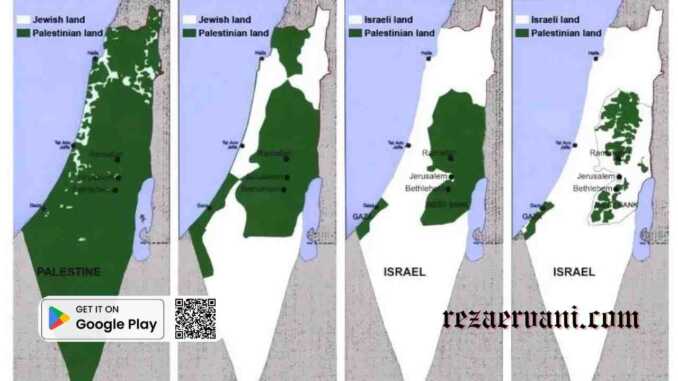
هكذا سرّبت ونزعت الأرض في فلسطين
How Land in Palestine Was Infiltrated and Seized (Part Five)
By: Rasim Khamaissi
Translated by : Reza Ervani bin Asmanu
This article “How Land in Palestine Was Infiltrated and Seized” is included in the History of Palestine Category
وقامت إسرائيل بسن قانون الأراضي ١٩٦٩ والذي يعدل قانون الأراضي العثمانية ١٨٥٨، ويُمَكِّن إسرائيل من إحكام سيطرتها على الأرض وعدم السماح بعودة أراض للعرب الفلسطينيين، فمثلا تم إلغاء بند تمليك الأرض اعتمادا على التقادم، والذي أجازه القانون العثماني. وبذلك حرم العرب في منطقة النقب من تسجيل أراضي بحوزتهم على أسمائهم.
Israel also enacted the 1969 Land Law amending the 1858 Ottoman Land Law, further tightening Israel’s control over land and preventing the return of land to Palestinian Arabs. For example, the clause allowing acquisition of title by prescription—recognized under Ottoman law—was abolished. Consequently, Arabs in the Negev were denied registration of lands they held in their own names.
بالإضافة إلى قوانين الأراضي المتعلقة بالملكية والتي أدت إلى مصادرة أراضي عربية وتهويدها رسمياً من خلال تسجيلها على اسم الصندوق القومي اليهودي أو دولة إسرائيل، استخدمت السلطات الإسرائيلية سلطتها بإدارة الحيز بواسطة تقليص مناطق نفوذ البلدات العربية الفلسطينية، واستخدام التخطيط الحيّزي الضابط والمحدد كآلية لإحكام السيطرة على العرب الفلسطينيين وتقليص مجال حياتهم وحيزهم.
Beyond property-related land laws—which resulted in the confiscation and formal Judaization of Arab lands by registering them under the Jewish National Fund or the State of Israel—Israeli authorities also exercised spatial control by shrinking the jurisdiction areas of Palestinian Arab towns and using restrictive spatial planning as a mechanism to tighten control over Palestinians and constrict their living space.
هكذا فإن عملية نزع وانتقال الأرض من ملكية وحيازة عربية فلسطينية إلى يهودية صهيونية بدأت بوادرها في نهاية الفترة العثمانية، رغم أنها لم تهدف لذلك، وخلال الفترة الانتدابية وضعت الأسس لنزع الملكية العربية الفلسطينية وتحويلها للمؤسسات الصهيونية. وكان التحول الفصل والرئيسي بعد النكبة عام ١٩٤٨، حين أصبح بمقدور السلطات الإسرائيلية رسمياً، قانونياً وعسكرياً انتزاع الملكية، مصادرتها، شرائها وإغلاقها، بما في ذلك إغلاق مناطق عسكرية، فرض أوامر طوارئ ومنع عودة اللاجئين الفلسطينيين إلى أراضيهم.
Thus, the process of stripping and transferring land from Palestinian Arab ownership and possession to Zionist Jewish hands first appeared at the end of the Ottoman period—albeit not by design—and during the Mandate period the foundations were laid for dispossessing Palestinian Arabs and transferring their property to Zionist institutions. The decisive transformation came after the 1948 Nakba, when Israeli authorities were able—officially, legally, and militarily—to seize, confiscate, purchase, and close off lands, including declaring military zones, imposing emergency orders, and preventing Palestinian refugees from returning to their lands.
وهنا لا بد من الإشارة إلى أن الحديث هو ليس عن الأراضي المملوكة فقط، بل يشمل مجمل الحيز الطبيعي للعرب الفلسطينيين والذين حرموا منه بعد إقامة دولة إسرائيل. وما زال الصراع قائما لامتلاك هذا الحيز والسيطرة عليه، رغم محاولات البحث عن تسويات غير عادلة حتى الآن. ولأجل بيان التحول في السيطرة وامتلاك الحيز سوف نلخص هذا التحول في الجدول التالي.
It must be emphasized that the discussion is not limited to privately owned lands; it encompasses the entire natural living space of Palestinian Arabs, from which they were deprived after the establishment of Israel. The struggle to possess and control this space continues to this day, despite attempts to seek—so far—unjust settlements. To clarify the shift in control and possession of space, we summarize it in the tables below.
تحول من سيطرة وحيازة عربية إلى سيطرة إسرائيلية صهيونية
Change from Palestinian Arab Control to Israeli Zionist Control
| البند | نسبة مئوية | دونم |
|---|---|---|
| مساحة فلسطين الانتدابية | 100 | 26,323,000 |
| دولة عربية (قرار التقسيم ١٨١ – ١٩٤٧) | 41.35 | 10,885,848 |
| دولة يهودية (قرار التقسيم) | 57.99 | 15,261,648 |
| القدس (وضع خاص) | 0.66 | 175,504 |
| مساحة إسرائيل بعد ١٩٤٩ | 77 | 20,325,000 |
| باقي مساحة الأراضي الفلسطينية (الضفة وغزة) | 23 | 5,998,000 |
| الأراضي بملكية اليهود قبل ١٩٤٨ | 6.4 | 1,681,586 |
| الأراضي بملكية العرب الفلسطينيين داخل الخط الأخضر | — | 1,465,414 |
| أراضي اللاجئين الفلسطينيين والأوقاف | — | 5,178,000 |
| أراضي موات في النقب (نزاع مع البدو) | — | 12,000,000 |
| مجمل مساحة إسرائيل | 100 | 20,325,000 |
توزيع الأرض في إسرائيل
Land Distribution in Israel
| البند | النسبة المئوية | الدونم |
|---|---|---|
| أراضي الدولة وتحت سلطة التطوير | 74.8 | 15,205,000 |
| الأراضي المسجلة على الصندوق القومي اليهودي | 18.4 | 3,570,000 |
| الأراضي المسجلة ملك خاص (يهود وعرب فلسطينيين) | 6.8 | 1,480,000 |
مما تقدم يتضح أن عملية نزع ملكية الأراضي من الفلسطينيين جرت خلال القرن الأخير وأنشأت مسألة اللاجئين الفلسطينيين الذين ما زال حقهم بالعودة محفوظ وحقهم في أملاكهم يجب أن يؤمن ويستعاد
From the foregoing, it is clear that the dispossession of Palestinians unfolded over the last century and generated the Palestinian refugee question. Their right of return remains preserved, and their property rights must be guaranteed and restored.
وهنا لا بد من الإشارة إلى وجوب إجراء دراسات تفحص كيف تسربت ونزعت الأرض من الأيدي العربية الفلسطينية، وتحليل مسبباتها ودوافعها لأجل فهم ماذا حدث وكيفية التعامل مع الحقوق في الأراضي مستقبلا
Here it is necessary to call for studies that examine how land seeped away and was seized from Palestinian Arab hands, and to analyze the causes and drivers, so we can understand what happened and how to address land rights in the future.
مصادر
Sources
- Al-Hazmawi, Muhammad (1998), Land Ownership in Palestine, 1918–1948, Al-Aswar Foundation, Acre.
- Avneri, Aryeh (1987), The Claim of Dispossession: Jewish Settlement and the Arabs, 1878–1948, Dar Al-Jalil Publishing; translated by Bashir Sharif Al-Barghouti.
- Khamaissi, Rasim (2003), Instruments of Land Control and the Judaization of Space, Center for Planning and Studies, Kafr Kanna.
- Kretschmer, David (2002), The Legal Status of Arabs in Israel, Center for Arab Society Studies in Israel, Van Leer Institute, Jerusalem.
Alhamdulillah, the 5-part series is complete.
Source : Badil Resource Center for Palestinian Residency and Refugee Rights
Leave a Reply