تأملات بيانية في سورة الكافرون
Linguistic Reflections on Surah Al-Kafirun and Its Meaning (Part One)
Translated by: Reza Ervani bin Asmanu
This article, “Linguistic Reflections on Surah Al-Kafirun and Its Meaning,” is part of the Tadabbur al Quran in English category
توطئة:
Introduction:
كل مسلم ومسلمة همه أن يتبع الطريق المستقيم، البعيد عن الدخن أو أي شائبة تشوبه؛ ليصل إلى المقصد العلوي، الذي يهدف من خلال عبادته لله تعالى تحقيقه، المتمثل في مرضاة الله تعالى.
Every true Muslim man and woman strives to follow the straight path, free from all impurity and blemish, in order to reach the lofty goal — the pleasure of Allah Almighty — which is the ultimate aim of their worship to Him.
وفي هذه السورة الكريمة رسم لمنهج قويم ينبغي على كل مسلم ومسلمة سلوكه لبلوغ النجاة في الدنيا والآخرة، فمع النص النوراني قال تعالى :
This noble Surah outlines a sound and straight methodology that every Muslim man and woman should follow to attain salvation in this world and the Hereafter. Allah Almighty says in these radiant verses:
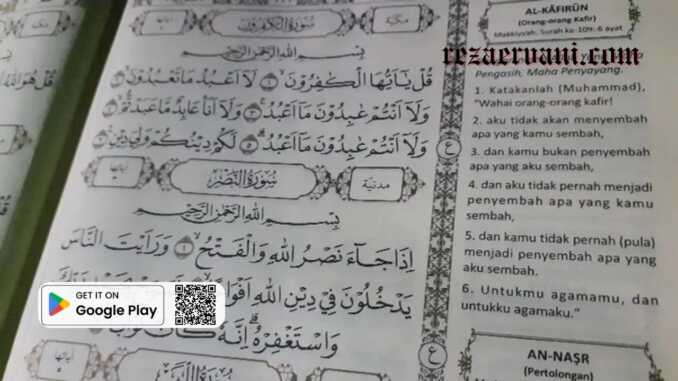
﴿ قُلْ يَا أَيُّهَا الْكَافِرُونَ * لَا أَعْبُدُ مَا تَعْبُدُونَ * وَلَا أَنْتُمْ عَابِدُونَ مَا أَعْبُدُ * وَلَا أَنَا عَابِدٌ مَا عَبَدْتُمْ * وَلَا أَنْتُمْ عَابِدُونَ مَا أَعْبُدُ * لَكُمْ دِينُكُمْ وَلِيَ دِينِ ﴾.
“Say: O disbelievers, I do not worship what you worship. Nor are you worshippers of what I worship. And I will not worship what you have worshipped. Nor will you worship what I worship. For you is your religion, and for me is my religion.” (Surah Al-Kafirun: 1–6)
الكفر بين اللغة والقرآن الكريم:
The Word “Kufr” Between the Language and the Qur’an:
نقف في هذا المبحث على المعاني الجمة التي وردت في القرآن الكريم، وفي اللغة العربية لكلمة (كفر)، الكاف والفاء والراء أصلٌ صحيحٌ يدلُّ على معنىً واحد، وهو السَّتْر والتَّغطية والإخفاء، يقال لمن غطَّى دِرعَه بثوبٍ: قد كَفَر دِرعَه، والمُكَفِّر الرجل المتغطِّي بسلاحه، فأما قولُه:
In this section, we will highlight the many meanings contained in the word kufr both in the Qur’an and in the Arabic language. Etymologically, the letters kaf, fa, and ra indicate a single root meaning: to cover, to conceal, and to hide. For example, it is said of someone who covers his coat of mail with a garment, “he has covered his armor” (كَفَرَ دِرعَه), and a man who covers himself with weapons is called al-mukaffir (the one who has covered himself with armor). As in the verse of poetry:
حَتَّى إِذَا أَلْقَتْ يدًا فِي كَافِرٍ ♦♦♦ وَأَجَنَّ عَوْرَاتِ الثُّغُورِ ظَلامُهَا.
Until when (the hand) is cast into a covering darkness, its gloom conceals the vulnerabilities of the frontiers.
ويقال: إنَّ (الكافر) مَغِيب الشَّمس، ويقال: بل (الكافر) البحر، وكذلك فُسِّرَ قولُ الآخَر:
It is also said that kafir refers to the place where the sun sets, and some say it refers to the sea. This is as interpreted in another line of poetry:
فَتَذَكَّرَا ثَقَلًا رَثِيدًا بَعْدَمَا ♦♦♦ أَلْقَتْ ذُكَاءُ يمِينَهَا فِي كَافِرِ
They remembered a precious burden after the sun had cast its right into the ‘kafir’.
والنهر العظيم كافر، تشبيهًا بالبحر، ويقال للزَّارع: كافر؛ لأنَّه يُغطِّي الحبَّ بتُراب الأرض؛ قال الله – تعالى -: ﴿ أَعْجَبَ الْكُفَّارَ نَبَاتُهُ ﴾ [الحديد:٢٠].
A large river is sometimes called kafir due to its similarity to the sea in covering. A farmer is also called kafir because he covers the seeds with soil. Allah Almighty says: “Its growth pleases the farmers.” (Surah Al-Hadid: 20)
ورَمادٌ مكفور: سَفَت الرِّيحُ الترابَ عليه حتى غطَّتْه، قال ابن فارس: و(الكُفْر) ضدُّ الإيمان، سمِّي لأنَّه تَغْطِيَةُ الحق، وكذلك كُفْران النِّعمة: جُحودها وسَترُها،
Covered ashes (رَماد مكفور) are ashes upon which the wind has blown dust until they are concealed. Ibn Faris stated that kufr is the opposite of iman, and it is called so because it means covering the truth. Likewise, kufran ni‘mah refers to denying and concealing blessings.
والكافور: كِمُّ العِنَب قبل أن يُنوِّر، وسمِّي كافورًا لأنَّه كفَر الوَلِيع؛ أي: غطَّاه، قال: ويقال له: الكُفُرَّى،
Al-Kafur refers to the grape bud before it blooms, so called because it covers the cluster. It is also called kufurra.
فأمَّا الكَفِرات والكَفَر فالثَّنايا من الجبال، ولعلَّها سمِّيت كَفِرَات لأنَّها متطامنة، كأنَّ الجبالَ الشوامخَ قد سترَتْها، قال: والكَفْرُ من الأرض: ما بَعُدَ من الناس، لا يكاد ينْزلُه ولا يمرُّ به أحد، ومَن حَلَّ به فهم أهل الكُفور، ويقال: بل الكُفور: القُرَى.
Kafirat and kafar are the valleys between mountains, named so because they are low and seem to be concealed by towering mountains. As for kafr in reference to land, it means an area far from people, rarely inhabited or passed through. Those who reside there are called the people of kufur. Some say that kufur refers to villages.
ومن هنا، فالنداء في هذه السورة موجه للذين جحدوا نعمة الله – تعالى -، وغطَّوا الحقَّ بالباطل، فهم يعلمون أن الخالق هو الله – تعالى – ولكنهم يجحدون.
From this, it becomes clear that the address in this Surah is directed to those who deny the blessings of Allah Almighty and cover the truth with falsehood. They know that the Creator is Allah Almighty, yet they persist in denial.
To be continued in the next part, in shaa Allah
Source: Alukah
Leave a Reply