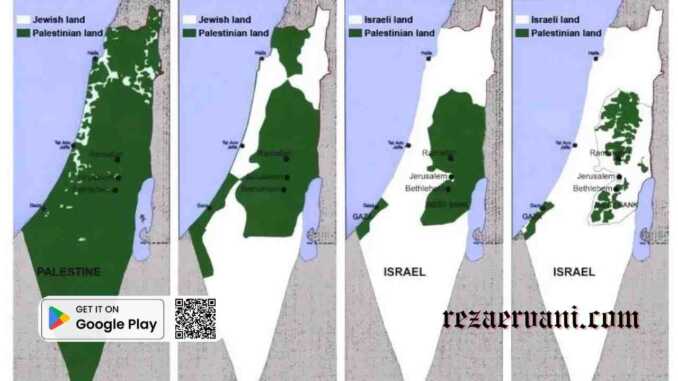
هكذا سرّبت ونزعت الأرض في فلسطين
How Land in Palestine Was Infiltrated and Seized (Part Three)
By: Rasim Khamaissi
Translated by : Reza Ervani bin Asmanu
This article “How Land in Palestine Was Infiltrated and Seized” is included in the History of Palestine Category
بالمقابل فإن إدعاء بيع الأراضي من قبل الفلسطينيين كأساس لإقامة دولة إسرائيل يجب أن يتم فحصه، فمنذ عام ١٨٧٨ وحتى نهاية الحرب العالمية الأولى كانت الأراضي تشترى من قبل اليهود الصهاينة بواسطة :
Conversely, the claim that land sales by Palestinians formed the basis for establishing the State of Israel must be scrutinized. From 1878 until the end of World War I, land was purchased by Zionist Jews through:
أ- الجمعيات التي أسسها “عشاق صهيون” والأفراد اليهود.
a- Societies founded by the “Lovers of Zion” and individual Jews.
ب- البارون روتشيلد وبعد عام ١٩٠٠ شركة ال – أ.س.أ.
b- Baron Rothschild, and after 1900 through the A.S.A. company.
ت- شركة تطوير أراضي فلسطين والصندوق القومي اليهودي.
c- The Palestine Land Development Company and the Jewish National Fund.
وحتى عام ١٩١٨ كان بحيازة اليهود الصهاينة أراضي تقدر مساحتها بحوالي ٤١٨ ألف دونم. وهذا ما يؤكد أن تهافت الفلاحين الفلسطينيين لبيع أراضيهم هو إدعاء باطل وغير دقيق. لكن الوصاية البريطانية وانتدابها على فلسطين، سهل على الحركة الصهيونية شراء الأراضي وتعزيز الهجرة اليهودية وإقامة المستوطنات، وذلك كجزء من تحقيق وعد بلفور ١٩١٧، بمنح وطن قومي لليهود في فلسطين.
By 1918, Zionist Jews held approximately 418,000 dunams of land. This confirms that the notion of Palestinian peasants rushing to sell their lands is a false and inaccurate claim. However, British tutelage and the Mandate over Palestine facilitated the Zionist movement’s purchase of land, strengthened Jewish immigration, and enabled the establishment of settlements as part of implementing the 1917 Balfour Declaration to grant a national homeland for the Jews in Palestine.
كانت مهمة الانتداب البريطاني نقل نظام إداري غربي، تطور بعد الثورة الصناعية، وفرضه على الواقع في فلسطين وذلك شمل نظام إدارة، تخطيط، تسوية وتسجيل الأراضي، مطبقاً قانون الأراضي العثماني ومعدلاً له لخدمة الأهداف الانتدابية والصهيونية لاحقاً. في سيل ذلك صدرت عدة أوامر وقوانين حددت نظام تسجيل الأراضي تخطيطها واستعمالها، بما في ذلك فرض الضرائب على الأراضي بعد تخمينها.
The British Mandate’s task was to transplant a Western administrative system—developed after the Industrial Revolution—and impose it on the reality in Palestine. This included systems for administration, planning, land settlement, and registration, applying the Ottoman Land Law and modifying it to serve mandate objectives and, later, Zionist aims. Accordingly, several orders and laws were issued that defined land registration, planning, and use, including the imposition of land taxes after assessment.
هذه الضرائب المرتفعة ساهمت في تردد بل رفض جزء من مالكي الأراضي العرب الفلسطينيين تسجيل الأراضي على أسمائهم، محاولين التهرب من عبء الضرائب مثل العشر، الويركو، ضريبة المسقفات في المدن ١٩٢٨، ضريبة الأملاك في القرى ١٩٣٥، والذي صنف الأراضي إلى١٦ صنف وحدد الضرائب المفروضة على كل صنف. وحسب المخمنين تمت مطالبة المالك بالضرائب الباهظة.
These high taxes caused many Palestinian Arab landowners to hesitate or even refuse to register land in their own names, attempting to avoid the tax burden—such as ‘ushur (tithe), wirku (land tax), the urban building tax (1928), and the rural property tax (1935), which classified land into 16 categories and set the tax for each. Based on assessors’ valuations, owners were charged exorbitant taxes.
بالمقابل، نشأت عملية تسجيل الأراضي على أسماء العائلات والملاكين الكبار الذين شغلّوا الفلاحين في الأراضي. هؤلاء الملاكين الكبار والذين جزء منهم ليسوا بفلسطينيين، قاموا ببيع جزء من أراضيهم للحركة الصهيونية أو سماسرتها الذين بدورهم سربوها لها.
Conversely, land registration increasingly appeared in the names of leading families and large landowners who employed peasants on their estates. These large landowners—some of whom were not Palestinians—sold parts of their lands to the Zionist movement or to brokers who then funneled them to it.
فمثلاً عام ١٩٢٤ كان في فلسطين ١٤٤ مالكاً كبيراً، يقدر ما بحوزتهم من الأراضي بحوالي ٣.١٣٠ مليون دونم. وفي أوائل عهد الانتداب البريطاني كان حوالي ٢٥٠ مالكاً كبيراً يملكون حوالي ٤.١٤٢ مليون دونم. هؤلاء المالكين الكبار، خاصة من غير الفلسطينيين كانوا من بين الذين باعوا أراضي للحركة الصهيونية خلال فترة الانتداب.
For example, in 1924 there were 144 large landowners in Palestine, holding an estimated 3.13 million dunams. In the early Mandate period, about 250 large landowners held around 4.142 million dunams. These large landowners—especially non-Palestinians—were among those who sold lands to the Zionist movement during the Mandate.
ومن أجل تسهيل عملية تسريب الأراضي وتنظيم الملكية بما في ذلك فصل الأراضي الخاصة من أراضي الدولة (الأميرية)، الموات والمتروكة، كان لا بد من تسوية الأراضي لمعرفة موقعها بدقة، ومالكيها الحقيقيين وتسجيلهم بصفة رسمية في سجل الطابو. وكل قطعة أرض لا يوجد ادعاء ملكية لها تسجل على اسم الدولة. خاصة أن الانتداب البريطاني كان “الوريث” للسلطة العثمانية التي سادت على البلاد حتى نهاية الحرب العالمية الأولى.
To facilitate the seepage of land and organize ownership—including separating private lands from state (miri), mawat, and matruk lands—land settlement was necessary to identify precise locations, determine true owners, and register them officially in the Tabu registry. Any parcel without an ownership claim was recorded in the name of the state—especially as the British Mandate was the “heir” to the Ottoman authority that prevailed until the end of World War I.
لأجل ذلك أقرت السلطة الانتدابية أمر تسوية الأراضي وتسجيلها لعام ١٩٢٨، بموجبه بدأ عملية مسح الأراضي وتسويتها من خلال طرح جداول ادعاءات وحقوق. حسب هذا الأمر بدأت عملية التسوية في الأراضي السهلية، وبذلك سهلت من عملية فك المشاع وتسجيل الأراضي مما سهل من عملية بيعها بعد تحديد مالكها وموقعها.
Therefore, the Mandate authorities enacted the 1928 Land Settlement and Registration Order. Under it, land surveying and settlement began by publishing schedules of claims and rights. According to this order, settlement started in the plains, thereby easing the dissolution of communal ownership and land registration—which in turn facilitated sales after owners and locations were identified.
خلال فترة الانتداب سادت البلاد مناوشات وقلاقل، وزاد الوعي الفلسطيني بأهداف المشروع الصهيوني والدور الانتدابي في تحقيقه، وكان لذلك أثر على تسرب الأراضي إلى الحركة الصهيونية. ورغم أن سلطات الانتداب أصدرت الكتاب الأبيض الذي حدد المواقع التي يجوز للحركة الصهيونية شراء الأراضي بها وحجم الهجرة اليهودية إلى البلاد لكن تطبيق هذا الكتاب كان محدوداً.
During the Mandate, the country experienced skirmishes and unrest, and Palestinian awareness of the Zionist project’s goals and the Mandate’s role in realizing them increased—affecting the seepage of land to the Zionist movement. Although the Mandate authorities issued the White Paper specifying where the Zionist movement could buy land and the scale of Jewish immigration, its implementation was limited.
To be continued in the next part, in sha Allah
Source : Badil Resource Center for Palestinian Residency and Refugee Rights
Leave a Reply