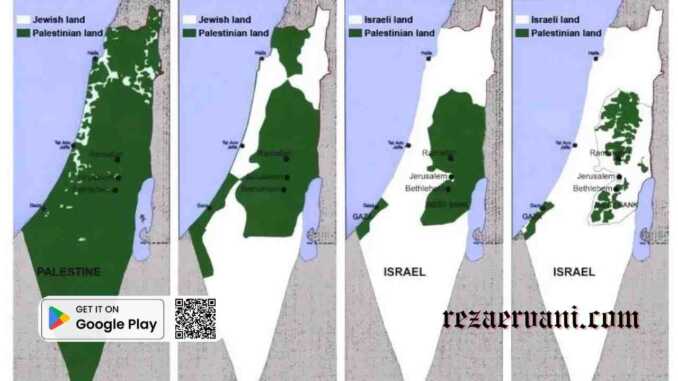
هكذا سرّبت ونزعت الأرض في فلسطين
How Land in Palestine Was Infiltrated and Seized (Part Four)
By: Rasim Khamaissi
Translated by : Reza Ervani bin Asmanu
This article “How Land in Palestine Was Infiltrated and Seized” is included in the History of Palestine Category
خلال فترة الانتداب استمرت عملية تسرب الأراضي للحركة الصهيونية، إن كان ذلك بواسطة الإغراءات، المضايقات، بيع الأراضي من قبل العائلات المالكة للأراضي. من أجل شراء الأراضي من الفلسطينيين بذلت الحركة الصهيونية موارد مالية كبيرة وجهد عظيم إضافةً للضغوط على سلطة الانتداب والفلسطينيين.على الرغم من هذا الضغط فإن حجم الأراضي التي تمكنت الحركة الصهيونية من حيازتها والسيطرة عليها لا تتجاوز ٦٫٤% من مساحة فلسطين الانتدابية. وهذا يعني أنه في عام ١٩٤٧ وصلت الأملاك اليهودية في فلسطين (الخاصة والعامة) إلى حوالي ١.٨٥٠ مليون دونم. وقد حصل المالكون اليهود على ١٨٠ ألف دونم من حكومة الانتداب على شكل امتيازات، مثل امتيازات الحولة وامتياز البحر الميت وامتياز كثبان قيسارية الرملية. وتم شراء ١٢٠ ألف دونم من الكنائس المختلفة، ١٫٥٥٠ مليون دونم من المالكين العرب، تم شراء معظمها من ملاكين كبار وحوالي ٥٠٠ ألف دونم من الفلاحين ذوي الموارد المتوسطة والمحدودة.
During the Mandate period, land continued to seep to the Zionist movement—through inducements, harassment, and sales by landed families. To purchase land from Palestinians, the Zionist movement deployed substantial financial resources and great effort, alongside pressure on the Mandate authorities and the Palestinians. Despite this pressure, the area the movement managed to acquire and control did not exceed 6.4% of Mandate Palestine. This means that by 1947, Jewish holdings in Palestine (private and public) reached about 1.85 million dunams. Of this, Jewish owners obtained 180,000 dunams from the Mandate government as concessions (such as the Hulah, Dead Sea, and Caesarea dunes concessions), 120,000 dunams were purchased from various churches, 1.55 million dunams from Arab owners (mostly large landlords), and about 500,000 dunams from peasants of moderate to limited means.
هكذا فإن عملية انتقال حيازة وملكية الأراضي من اليد العربية الفلسطينية إلى اليد الصهيونية خلال حوالي 100 عام لم تتجاوز 6.4% من مساحة فلسطين رغم التسهيلات القانونية، الإدارية والسلطوية، خاصة في فترة الانتداب ورغم الإغراءات التي مارستها الحركة الصهيونية والضغوطات والأعباء الضريبية التي فرضت على المالكين خلال الفترة العثمانية والانتدابية، والتي دفعت جزء منهم إلى إرجاء تسجيل الأرض، ولكن لا يمكن الادعاء أنهم تنازلوا عنها.
Thus, over roughly a century, the transfer of land possession and ownership from Palestinian Arab hands to Zionist hands never exceeded 6.4% of Palestine’s area—despite legal, administrative, and governmental facilitation (especially during the Mandate), and despite Zionist inducements, pressures, and heavy tax burdens imposed on owners in the Ottoman and Mandate periods. These pushed some owners to postpone land registration, but it cannot be claimed they relinquished their lands.
ولكن التحول الكبير في السيطرة على الأرض كان بعد حرب 1948 وحدوث النكبة. بعد النكبة أقيمت دولة إسرائيل كدولة يهودية صهيونية على كل المناطق التي حددها قرار التقسيم 181 لتقسيم فلسطين إلى دولتين عربية ويهودية، إضافة إلى ذلك احتلت أراضي إضافية خلال الحرب وضمت إليها أراضي حسب اتفاقات الهدنة 1949.
The major shift in land control came after the 1948 war and the Nakba. Following the Nakba, the State of Israel was established as a Zionist Jewish state over all areas designated by Partition Resolution 181 for the Jewish state and, in addition, seized more territory during the war, annexing it under the 1949 armistice agreements.
بعد إقامة دولة إسرائيل وامتلاكها السيادة لإدارة الأراضي في الحيز الذي أعلن عن إحالة القانون الإسرائيلي عليه، قامت بسن قوانين تهدف إلى تأمين سيطرتها على الأراضي وتحويلها من اليد العربية الفلسطينية إلى الحركة الصهيونية. وكذلك استمرت بعملية شراء الأراضي تهويدها ومصادرتها، رغم أنها بسطت سيادتها الجيوسياسية عليها.
After Israel’s establishment and its assertion of sovereignty to administer lands where Israeli law was applied, it enacted laws aimed at securing control over land and transferring it from Palestinian Arab hands to the Zionist movement. It also continued purchasing, Judaizing, and expropriating land—even though these areas were already under its geopolitical sovereignty.
يمكن إيجاز هذه القوانين مثل قانون مصادرة الأراضي العام والذي اعتمد أمر الأرض (حيازتها لتحقيق أغراض عامة 1943) والذي مكن مصادرة أراضي عربية بحجة المصلحة العامة، قانون أملاك الدولة 1951 والذي ينص على أن جميع أراضي الحكومة البريطانية ستسجل باسم الدولة (إسرائيل). قانون أملاك الغائبين 1950، بموجب هذا القانون وضعت كل أراض اللاجئين الفلسطينيين بما في ذلك أراضي الوقف الإسلامي المسجلة على اسم المجلس الإسلامي الأعلى تحت سيطرة “حارس أملاك الغائبين”.
These laws can be summarized as follows: the General Land Expropriation Law, which adopted the Land (Acquisition for Public Purposes, 1943) Ordinance enabling the seizure of Arab lands under the pretext of public interest; the State Property Law of 1951, stipulating that all former British government lands would be registered in the name of the state (Israel); and the Absentees’ Property Law of 1950, under which all lands of Palestinian refugees—including Islamic waqf lands registered to the Supreme Muslim Council—were placed under the control of the “Custodian of Absentees’ Property.”
القانون يمنع بيع أملاك الغائبين، عدا استثناء واحد قاطع؛ وهو نقل ملكيتها إلى سلطة التطوير. بموجب قانون سلطة التطوير (نقل الأملاك) 1950، وفي 29 أيلول 1953 وقعت اتفاقية بين سلطة التطوير والقائم على أملاك الغائبين وبموجبها نقلت كافة أملاك الغائبين الموضوعة تحت تصرف القائم على أملاك الغائبين إلى سلطة التطوير. سلطة التطوير هذه قامت بيع جزء من الأراضي التي منحت لها من القائم على أملاك الغائبين إلى الصندوق القومي اليهودي.
The law prohibits selling Absentees’ Property, with one categorical exception: transferring ownership to the Development Authority. Under the Development Authority (Transfer of Property) Law of 1950, an agreement was signed on 29 September 1953 between the Development Authority and the Custodian of Absentees’ Property, transferring all absentees’ properties under the Custodian’s control to the Authority. The Development Authority then sold part of these lands—granted to it by the Custodian—to the Jewish National Fund.
حتى قبل تأسيس سلطة التطوير بشكل رسمي قررت حكومة إسرائيل بيع غالبية الأراضي الريفية التابعة للغائبين (اللاجئين) للصندوق القومي اليهودي. بموجب الاتفاقية الأولى الموقعة في كانون الثاني ١٩٤٩ بيع ١.١٠١.٩٤٢ دونما للصندوق القومي اليهودي، ٩٨٫٥% منها كانت أراضي ريفية. وفي تشرين الأول ١٩٥٠ عقدت اتفاقية ثانية بموجبها بيع 1.271.734 دونما إضافية للصندوق القومي اليهودي. هكذا تم نقل حوالي 2.4 مليون دونم من أراضي اللاجئين العرب الفلسطينيين إلى الصندوق القومي اليهودي. بعد أن كان كل ما يملك الصندوق، حتى إقامة دولة إسرائيل، ما لا يزيد عن 936 ألف دونم.
Even before the Development Authority was formally established, the Israeli government decided to sell the majority of rural lands belonging to absentees (refugees) to the Jewish National Fund (JNF). Under the first agreement signed in January 1949, 1,101,942 dunams were sold to the JNF—98.5% of it rural land. In October 1950, a second agreement was concluded, selling an additional 1,271,734 dunams to the JNF. Thus, about 2.4 million dunams of Palestinian Arab refugees’ lands were transferred to the JNF—whereas prior to Israel’s establishment, the Fund’s total holdings did not exceed 936,000 dunams.
هكذا فإن عملية تهويد الأراضي استمرت بعد إقامة دولة إسرائيل. ومن أجل إحكام السيطرة على إدارة الأراضي قامت إسرائيل بسن قانون أساسي عام ١٩٦٠ والذي يعرف باسم “قانون دائرة إسرائيل ١٩٦٠”، هذه الدائرة تدير كل الأراضي العامة – غير الخاصة في إسرائيل والتي تشمل حوالي ٩٣% من مساحة إسرائيل. هذه الأراضي تشمل أراضي اللاجئين الفلسطينيين وتلك التي صودرت من العرب الفلسطينيين والتي نقلت كأراضي مصنفة موات، أميرية، ومتروكة، وفق القانون العثماني، إلى السلطة الانتدابية ومنها إلى السلطة الإسرائيلية.
Accordingly, the Judaization of land continued after Israel’s establishment. To tighten control over land administration, Israel enacted a Basic Law in 1960 known as the “Israel Lands Administration Law, 1960.” This agency manages all public (non-private) land in Israel, covering about 93% of the country’s area. These lands include the properties of Palestinian refugees and lands expropriated from Palestinian Arabs, which had been classified under Ottoman law as mawat, miri, and matruk, transferred to the Mandate authority, and then to Israeli authority.
To be continued in the next part, in sha Allah
Source : Badil Resource Center for Palestinian Residency and Refugee Rights
Leave a Reply